6/07/2024
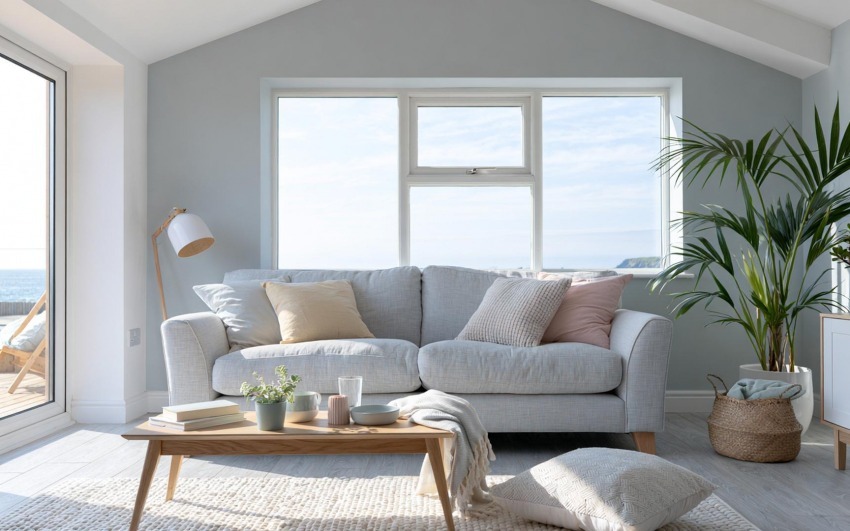
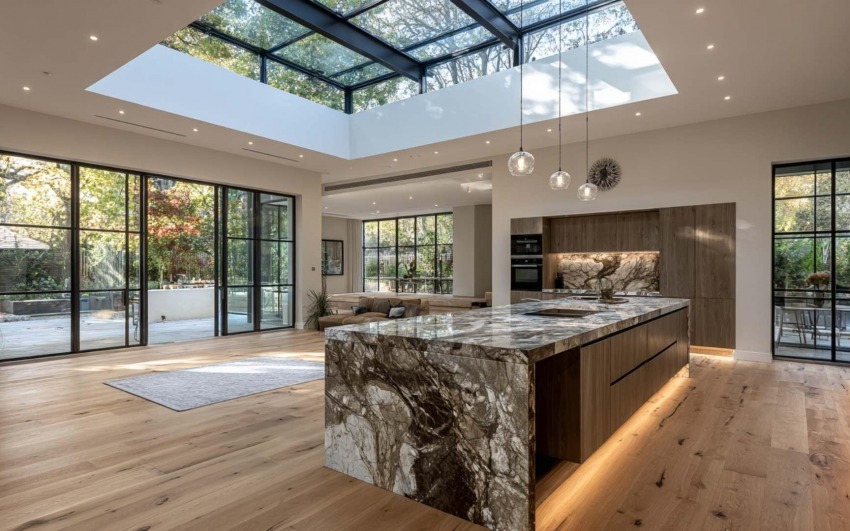
Light and Neutral Colors: The foundation of Nordic style is built upon light and neutral colors such as white, light gray, and beige. These colors reflect natural light, creating a bright and airy atmosphere.

Natural Materials: Use natural materials like wood, linen, cotton, and wool to create a sense of warmth and comfort. Light wood is particularly characteristic of Nordic style and can be used for flooring, furniture, and accessories.

Minimalist Design: Choose furniture and accessories with clean lines and simple shapes. Avoid excess ornamentation and decorations, opting for functional pieces without frills.

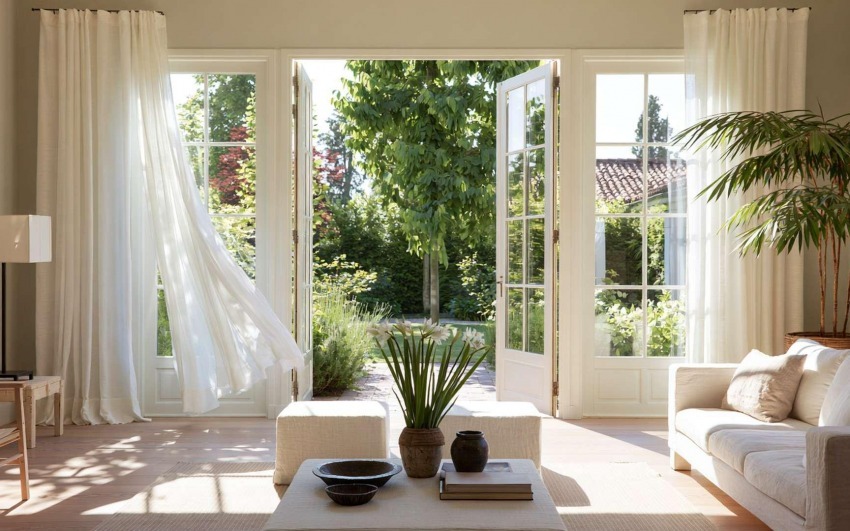
Natural Light: Maximize natural light by keeping windows unobstructed and using lightweight curtains or blinds that allow maximum light penetration. Natural light is essential in Nordic style to create a bright and relaxing atmosphere.

Iconic Design Elements: Incorporate iconic Nordic design elements into your home, such as metal and wood pendant lamps, wooden chairs and tables with clean lines, and floor lamps with minimalist lampshades.

Color Accents: Add pops of color through fabrics and accessories like cushions, blankets, and rugs. Opt for soft and pastel colors to maintain a relaxed and harmonious atmosphere.

Open and Functional Spaces: Favor open and functional spaces, avoiding excess furniture and clutter. Leave ample empty space to facilitate circulation and create a sense of spaciousness.
By following these tips and adding your personal touch, you'll be able to create bright, cozy, and minimalist spaces inspired by Nordic style, perfect for relaxing and spending enjoyable moments at home.
Interior Designer since 1985
CEO & Founder, Italian Design in the World
For years, interior design celebrated straight lines and sharp rationality. But as homes became more intimate and introspective, a new aesthetic began to emerge — one rooted in softness, continuity, and emotional comfort. 2025 marks the consolidation of this evolution: curves, arches, and generous volumes define the new vocabulary of contemporary interiors.
Italian design has always been synonymous with beauty, precision, and creativity. In recent years, this legacy has evolved into something new: a fusion of tradition and technology, where craftsmanship meets smart materials, sustainable production, and digital innovation.
It’s not about square meters — it’s about smart choices. Modern luxury no longer belongs only to villas or penthouses: it’s about the ability to make refined beauty flourish even in compact spaces through premium materials, tailored design, and carefully orchestrated lighting. This is the essence of micro luxury — a rising trend across Europe, appealing to cultured urban dwellers seeking chic, intelligent solutions for smaller homes.
In an increasingly fast-paced world, home is becoming the only true space to slow down. Slow living — a philosophy that promotes awareness, simplicity, and presence — is reshaping the way we design interiors. Today’s design no longer focuses solely on aesthetics but on sensory well-being: tactile materials, natural hues, soft light, and a balance between empty and full that restores calm and clarity.
Fire has always symbolized warmth, conviviality, and atmosphere. In recent years, fireplaces are no longer just a memory of mountain homes: they’ve returned as key features in urban living, reimagined in modern, sustainable, and stylish forms. Whether bioethanol, electric, or wall-mounted minimal, today’s fireplace is both decorative and functional—transforming any room into a cozy retreat.
September marks new beginnings: back to work, back to school, back to routine. The home quickly becomes the operational hub for balancing busy schedules and moments of relaxation. After summer, spaces often feel cluttered, crowded, or simply not optimized. The solution? Rethink your interiors smartly, using storage, multifunctional furniture, and small tricks to restore order and prepare your home for the more “indoor” months ahead.