8/11/2023
Choose a bold color palette:
One of the first decisions to make when decorating with color is the choice of color palette. Opt for bold, vibrant hues that grab attention and add energy to spaces. For example, you can opt for a combination of bright yellow, vibrant orange and deep green to create a joyful and vibrant atmosphere. Or, if you prefer more sophisticated shades, you can opt for a palette of blues and purples that create a relaxing yet inspiring atmosphere.
Color accents:
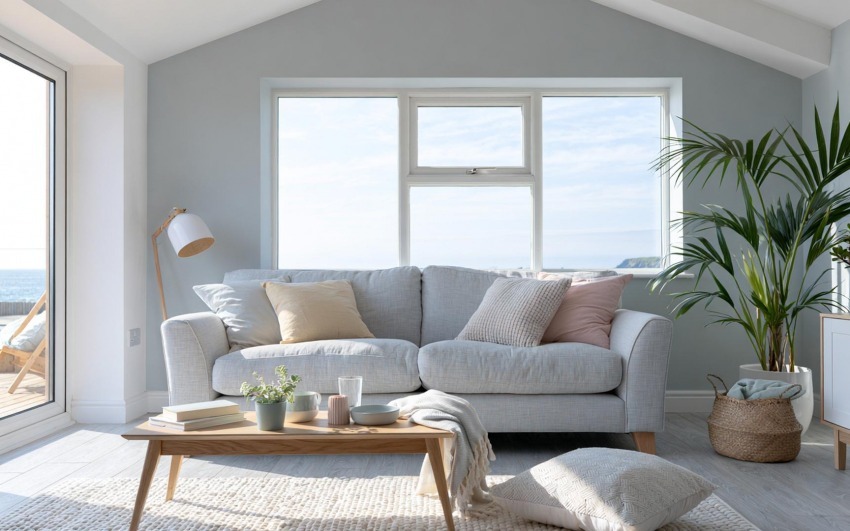
If you're hesitant to use bright colors on walls or furniture, you can use pops of color to create interesting focal points. Add colorful cushions to a neutral sofa, place an eye-catching armchair in a vibrant hue, or hang pictures or photographs in colorful frames. Color accents create contrast and add personality to spaces without being too invasive.
Dare with color on the walls:
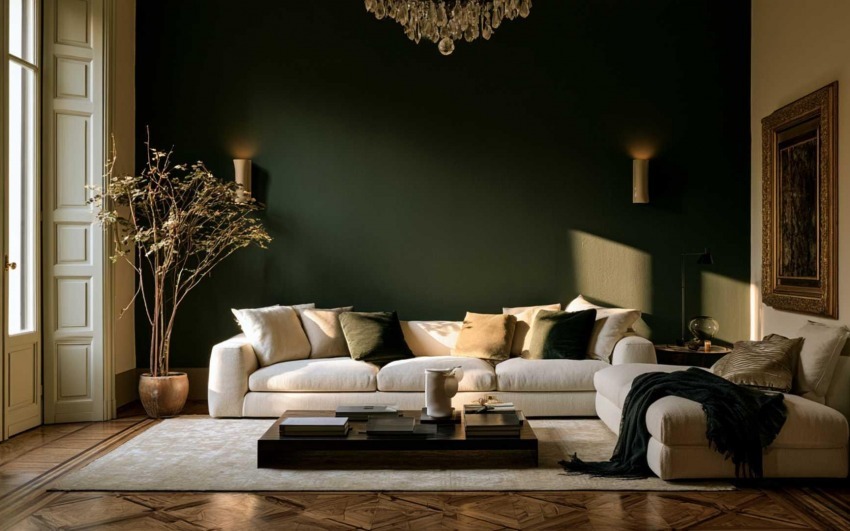
The walls are a blank canvas ready to be painted with the color of your choice. Don't be afraid to be bold and use bright shades to create a stunning effect. For example, you can paint a wall in a bold color like red, turquoise, or lemon yellow to create an eye-catching focal point. The important thing is to balance the use of color with the other elements of the environment, such as furniture and accessories, in order to create visual harmony.
Use color to define spaces:
Color can be used strategically to define spaces within a room. For example, you can use a colored carpet to delimit the seating area in an open space or use a wall of a different color to separate the dining area from the kitchen. This technique not only adds vibrancy to rooms, but also creates a feeling of order and organization.
Play with textures:
In addition to color, textures are essential for creating lively and inspiring environments. Choose fabrics with interesting textures, such as velvets, linens or knits, to add depth and dimension to spaces. You can also use materials like wood, glass or metal to add variety and contrast. The important thing is to create a balanced combination of colors and textures that complement each other.
Decorating with color is a bold and creative choice that can transform rooms into vibrant and inspiring spaces. Choose a bold color palette, use pops of color to create interesting focal points, and don't be afraid to be bold with color on the walls. Use color strategically to define spaces and play with texture to add depth and dimension. Make the most of the power of color to create unique environments that reflect your personality and inspire you every day. Whether you prefer bold or sophisticated hues, decorating with color allows you to transform your home into a vibrant and inspiring space that will fill you with joy and creativity.
_14077b47db_23.jpg)
Interior Designer since 1985
CEO & Founder, Italian Design in the World