-
10/30/2026 The things that stay
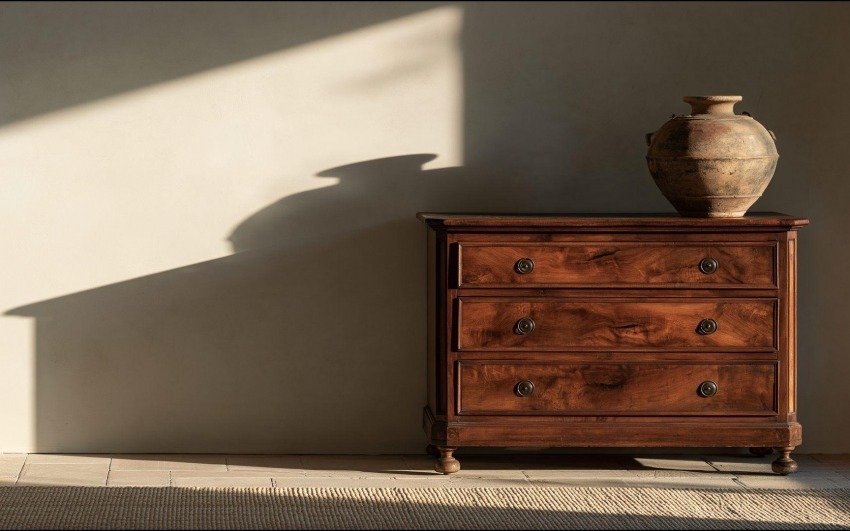
Every house keeps something it did not entirely choose: a chair that came from another family, a box of letters, a vase no one remembers buying. These are the objects that say more about the people living there than any new piece of furniture.
-
9/04/2026 Coming back indoors
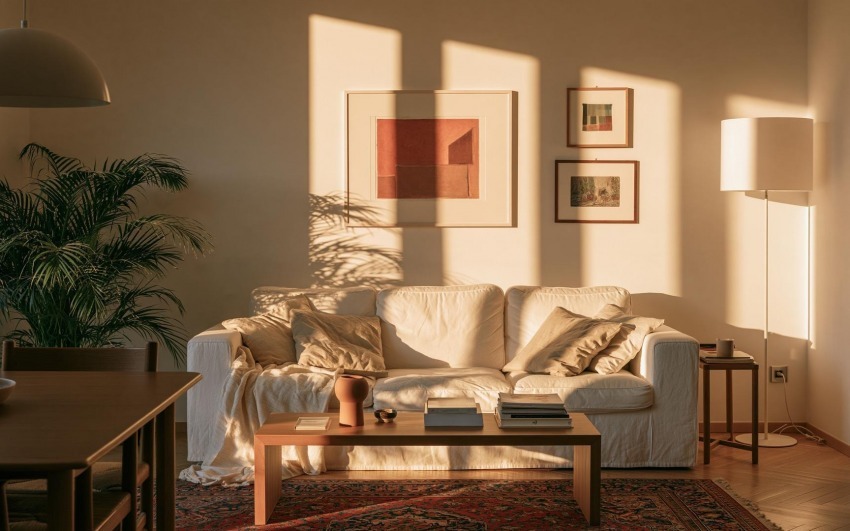
In September the house takes back what summer had borrowed. The hours return between the walls, and the rooms we crossed in a hurry ask to be looked at again.
-
8/14/2026 The room in between
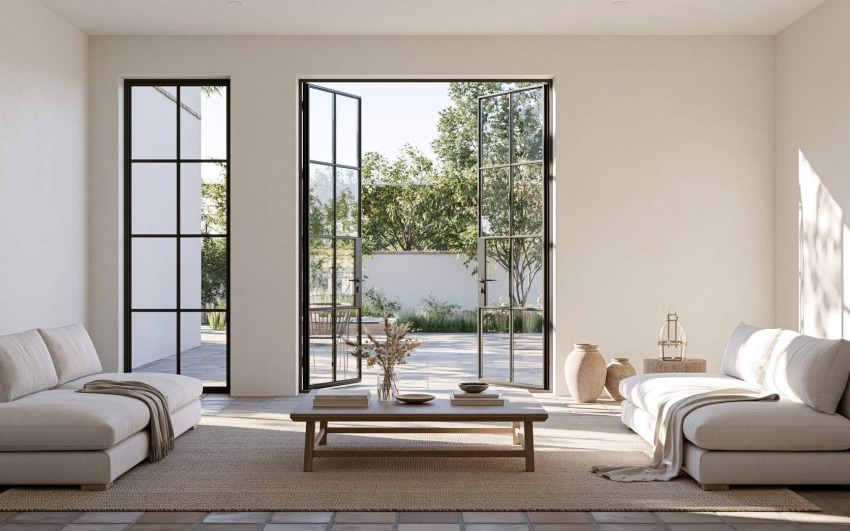
In summer we live on the threshold. Loggia, porch, veranda: the strip between indoors and out becomes the most lived-in room of the house, and deserves to be designed as one.
-
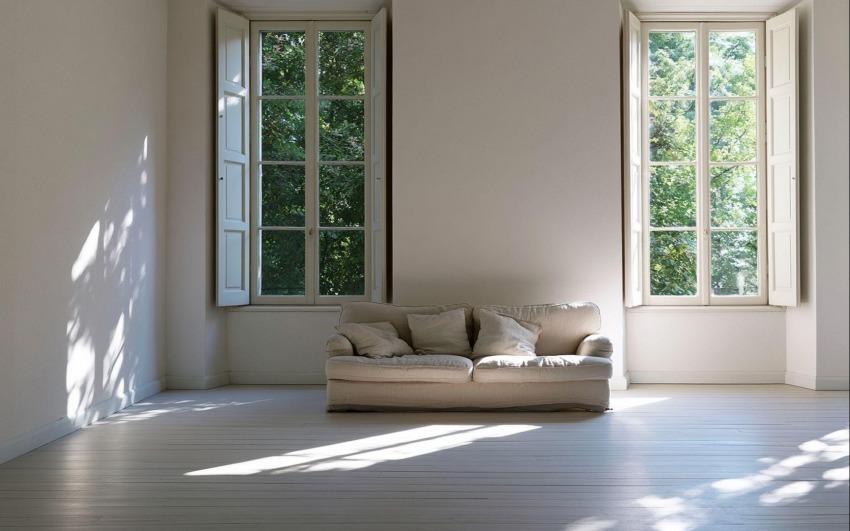
8/07/2026 The empty house
In August many homes are left behind. Shutters half closed, still air, light crossing the rooms with no one to watch it. It is worth asking what stays beautiful when no one is there.
-
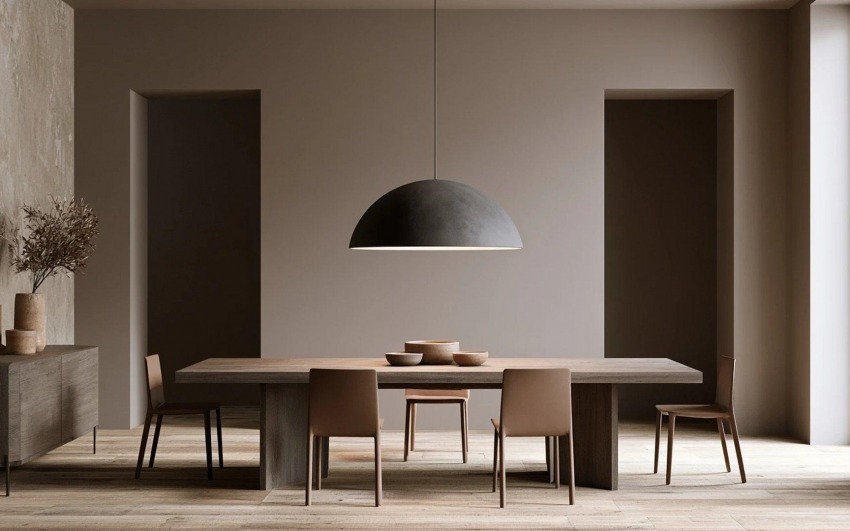
7/03/2026 The Table at the Centre: The Most Used Piece in the Home and the Most Overlooked
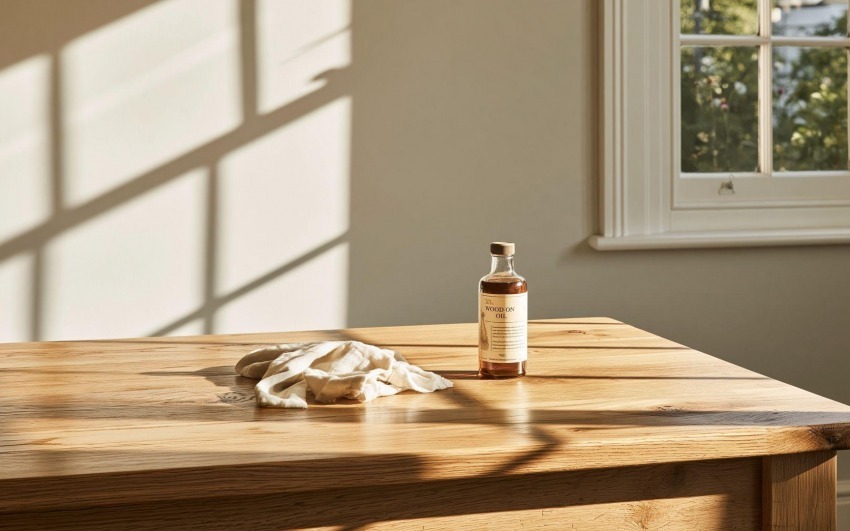
The table is the only piece of furniture where you eat, work, play, argue and make up. Yet it gets chosen as if it were just a horizontal surface.
-
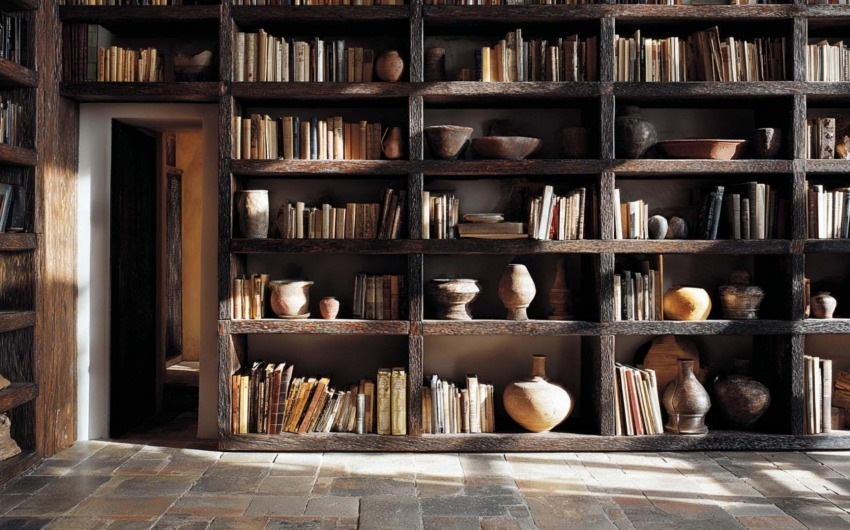
5/22/2026 The Library as Furniture for Thought
Density, light and editorial care: the book wall that supports a mind
-
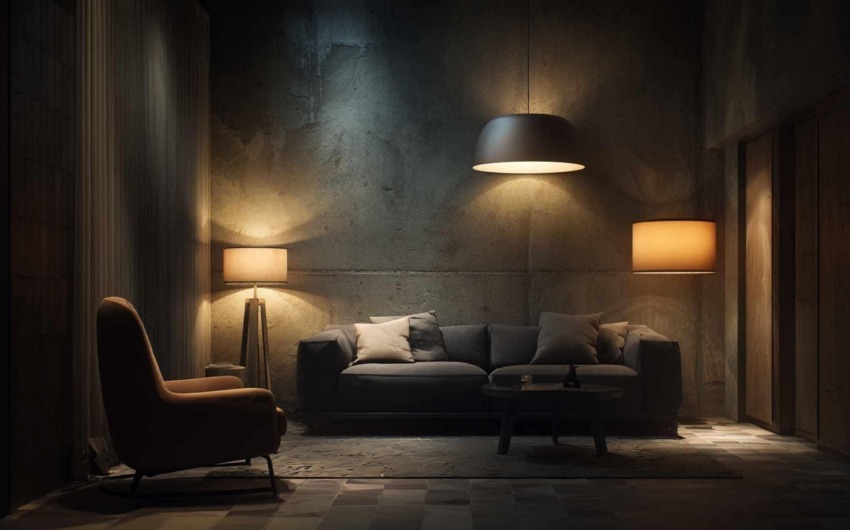
2/06/2026 Neuro-Interior Design: Designing for the Brain (Not for the Photo)
For a long time, interior design spoke mainly to the eye. Color palettes, shapes, surfaces, composition. A space was judged — and often rewarded — for how well it appeared: cleaner, more photogenic, more “resolved”.Today, that logic is starting to show its limits. Because a home is not an image. It is an environment we inhabit for hours every day — a continuous system of stimuli that affects focus, energy, mood, and the quality of rest.
-
9/26/2025 Entrance Spaces: The Art of Styling a Warm Welcome
The entryway is the calling card of any home: the first space that greets visitors and immediately sets the tone of your interior style. Often overlooked, it can instead become a functional yet stylish area. With just a few well-chosen elements, even a plain hallway or small foyer can be turned into an inviting and organized space.