4/12/2024
1. Introduction to Rustic Renaissance:
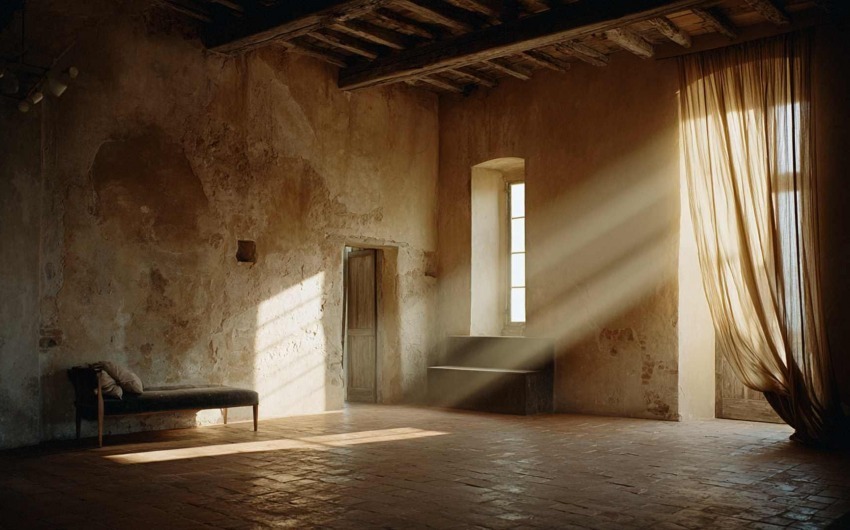
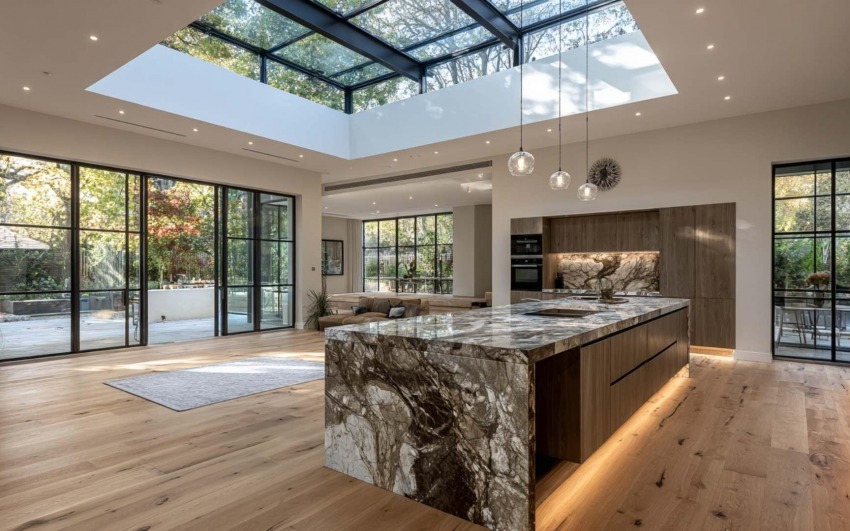
Let's delve into what exactly rustic renaissance is and what are the key elements that characterize it. From raw wood to artisanal details, this style offers a unique experience that celebrates the history and warmth of rural life.
2. Materials and Textures:
We'll explore the key materials and textures that define rustic renaissance. From natural wood to exposed stones, through refined fabrics and metal finishes, each element contributes to creating an authentic and welcoming atmosphere.
3. Furniture and Furnishings:
Take a look at the best furniture and furnishings choices to embrace rustic renaissance style in your home. From rustic tables to modern chairs, through antique bookshelves and minimalist lamps, discover how to combine pieces from different periods to create a balanced and fascinating environment.
4. Colors and Tones:
Let's explore the shades and colors that best suit rustic renaissance. From neutral and earthy tones to warm and enveloping hues, let's see how to play with the color palette to create a cozy and sophisticated atmosphere.
5. Details and Decorations:
Details make the difference! Explore how to add personal touches and unique decorations to complete the rustic renaissance style. From artisanal artworks to potted plants, through soft fabrics and decorative cushions, every detail contributes to creating an environment that reflects your taste and personality.
6. Practical Tips:
Finally, we share practical tips on how to embrace rustic renaissance style in your home. From organizing spaces to caring for furniture and choosing finishes, we'll provide you with all the information you need to transform your home into a rustic and refined retreat.
Follow our blog to further explore the wonderful world of rustic renaissance and discover how to blend the antique with the modern to create a unique and enveloping style in your home.
_14077b47db_23.jpg)
Interior Designer since 1985
CEO & Founder, Italian Design in the World