Related Articles
-
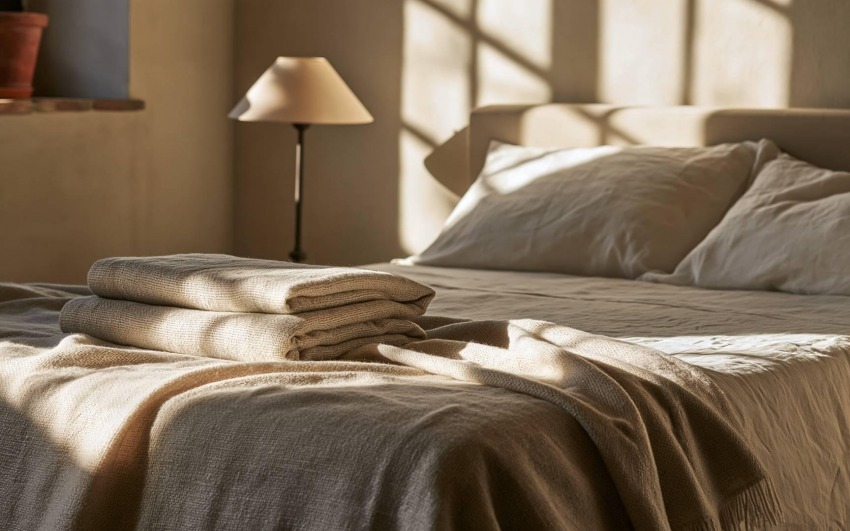
10/23/2026 The guest room
From now until January the visits arrive: relatives for the holidays, friends passing through, someone staying one night longer than planned. It is the right moment to look at the room that welcomes them, and to ask what it does the rest of the year.
-
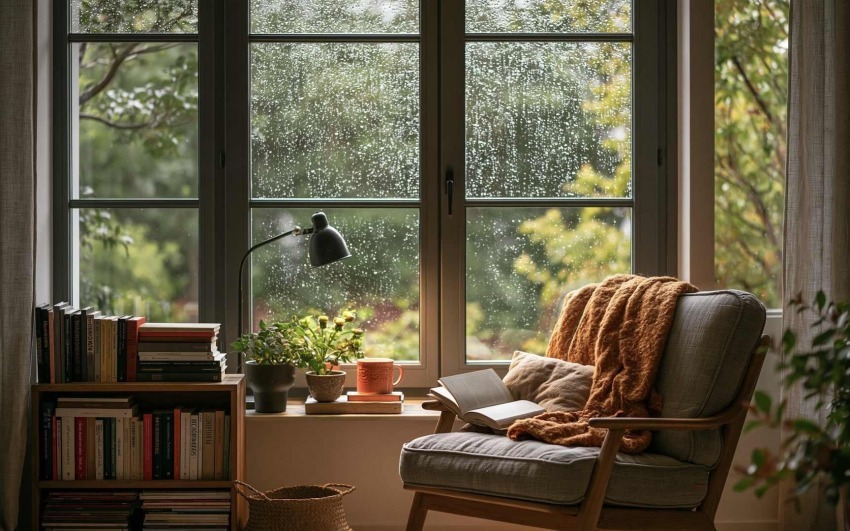
10/16/2026 The house in the rain
The first long rains of October test a house more than any guest. They show where water gets in, where damp settles, which materials hold up and which begin to suffer.
-
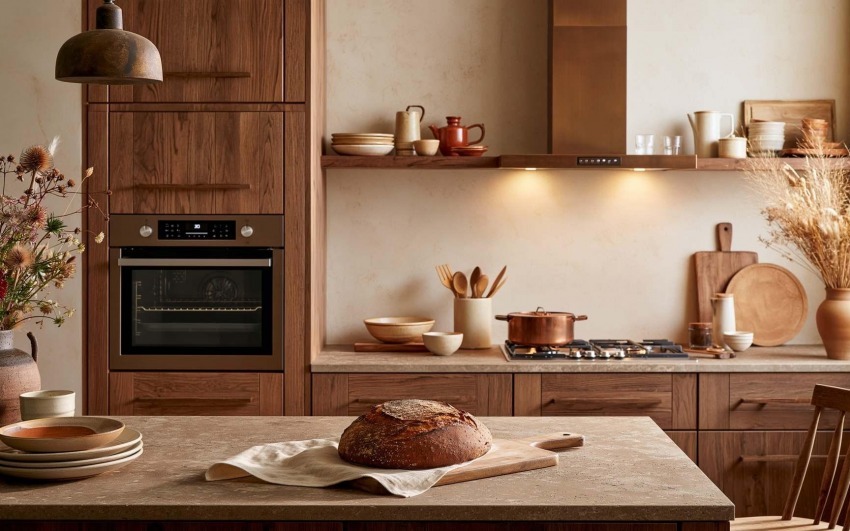
10/09/2026 The oven is on
In summer the kitchen works fast, on a high flame with the window open. In October the oven stays on for hours, and with it the way we live in the liveliest room in the house changes too.
-
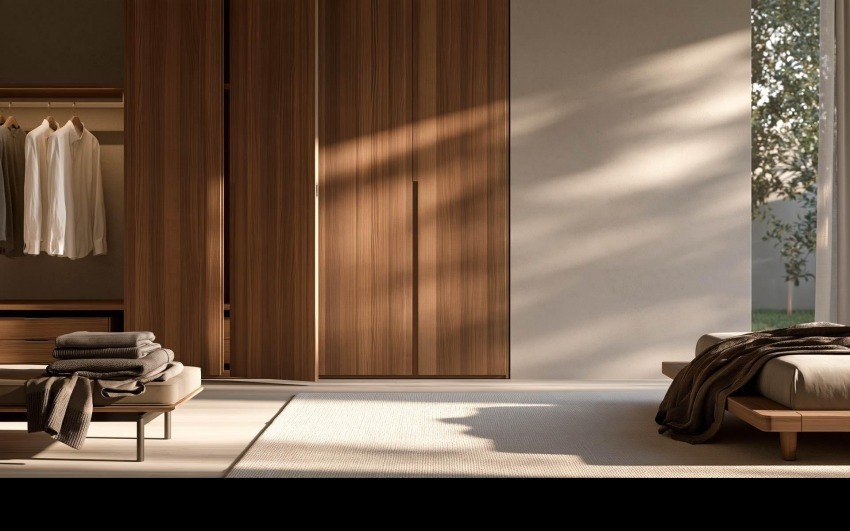
10/02/2026 The change of season
In October the wardrobe turns upside down: linen climbs to the high shelves, wool comes down to hand height. It is one of the few household rituals that repeats unchanged every year, and one of the most neglected.
-
9/25/2026 The first cool evening
There is one precise evening, towards the end of September, when the window gets closed without a thought. From then on the house changes its job, and it pays to notice.
-
9/18/2026 Dressing the house
From September surfaces change their job. What had to stay cool and bare through summer starts asking for thickness, weave, something to touch.