Neuroaesthetic Interior Design: How the Principles of Neuroaesthetics Can Transform Your Spaces

8/09/2024

What is Neuroaesthetics? 


Neuroaesthetics explores how different shapes, colors, textures, and compositions influence our brain. Scientific studies have shown that certain aesthetic features can activate areas of the brain associated with pleasure and relaxation.


Applications of Neuroaesthetics in Interior Design


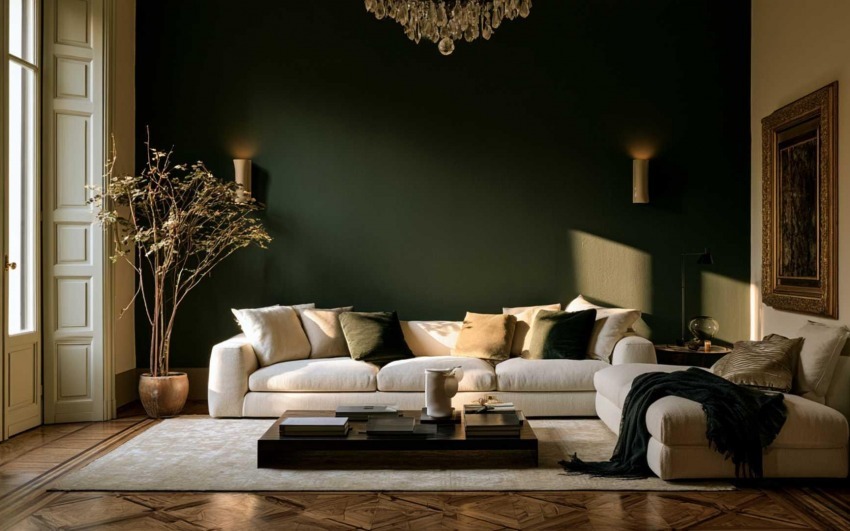
Shapes and Geometry: Curved lines and organic shapes are often perceived as more pleasant than angular ones. Incorporating furniture with soft lines can create a cozy and relaxing atmosphere.


neuro-interior_IDW-Italia-Biella


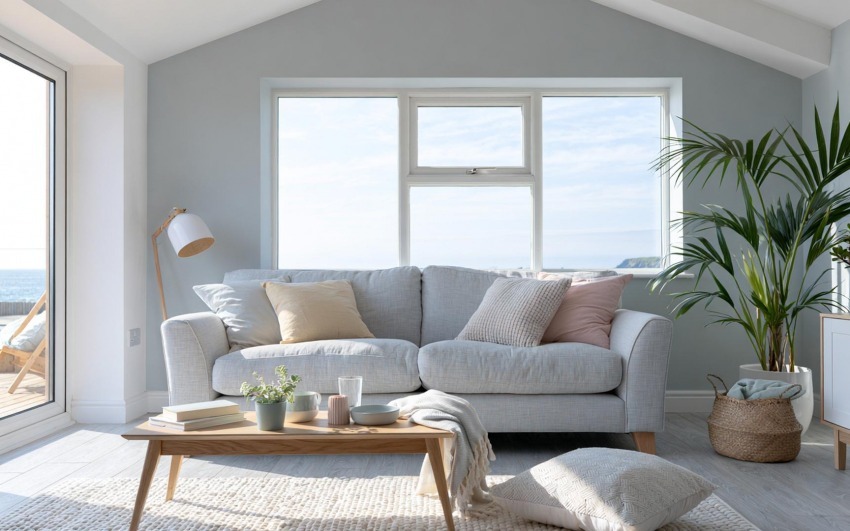
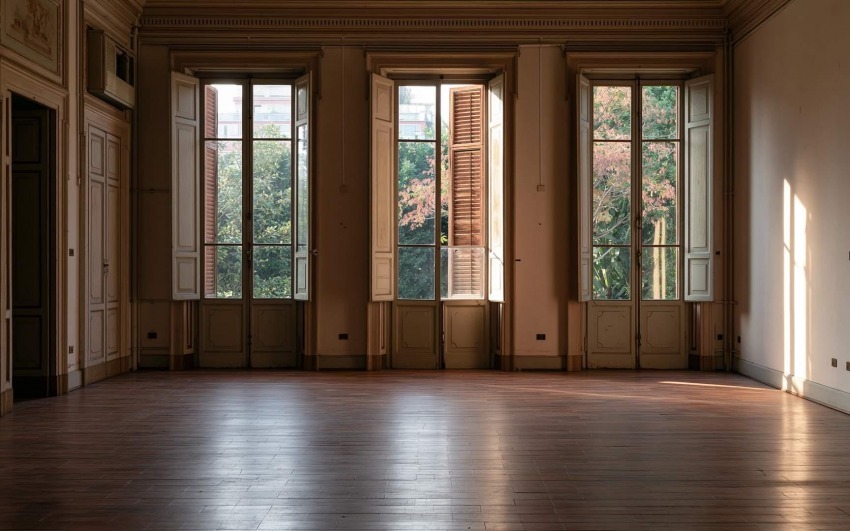
Color and Light: Colors have a direct impact on our emotions. Shades of blue and green are associated with tranquility and relaxation, while reds and oranges can stimulate energy and creativity. Lighting also plays a crucial role; natural light is always preferable for overall well-being.


neuro-interior_IDW-Italia-Biella


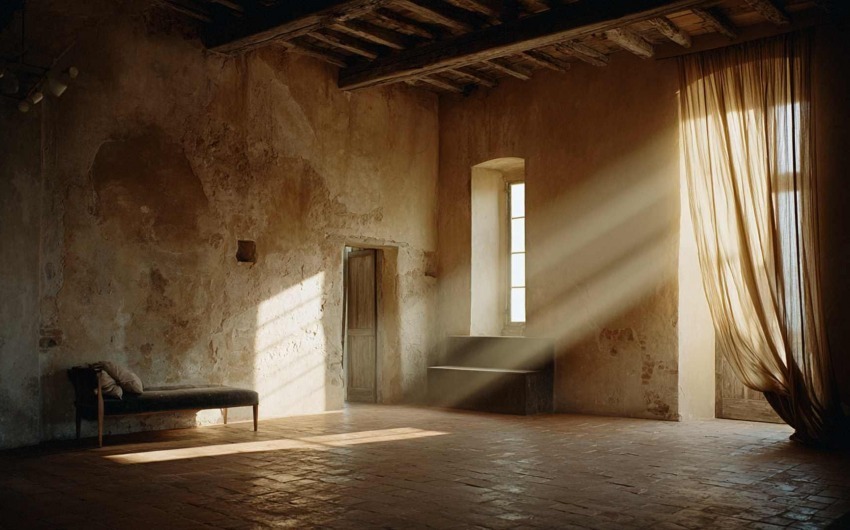
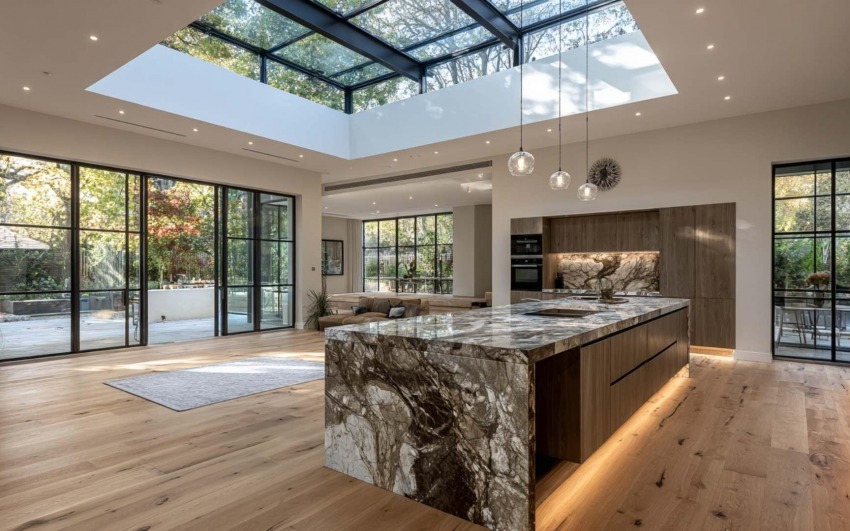
Materials and Textures: Natural materials like wood, stone, and natural fibers are often perceived as more comforting. Different textures can add depth and tactile interest, enriching the sensory experience.


neuro-interior_IDW-Italia-Biella


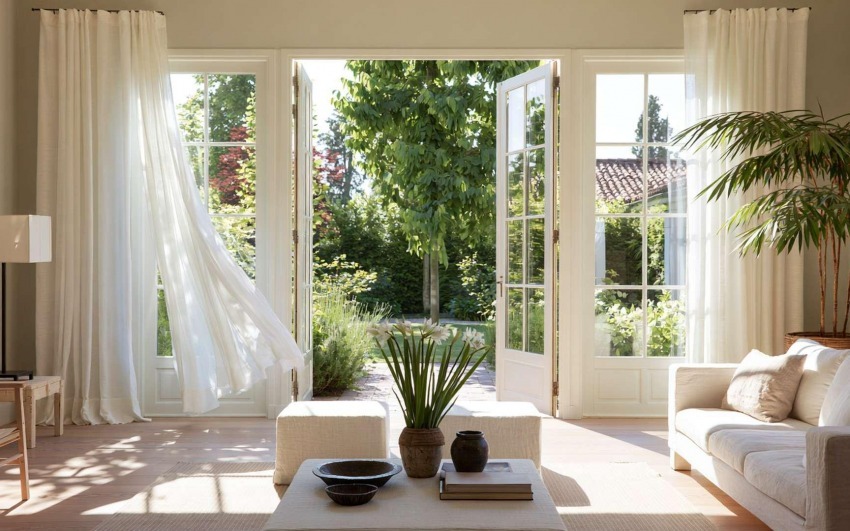
Open Spaces and Greenery: Including plants and open spaces can significantly improve the quality of the environment. Plants not only purify the air but their natural green has a calming effect on the nervous system.


neuro-interior_IDW-Italia-Biella


Harmony and Balance: A well-balanced environment, where elements are arranged harmoniously, is perceived as more pleasant. This includes a good balance between empty and filled spaces, between furniture and decorations.


neuro-interior_IDW-Italia-Biella


Neuroaesthetic interior design offers an innovative approach to interior design, focusing not only on aesthetics but also on the mental and physical well-being of the people living in the spaces. By integrating the principles of neuroaesthetics, it is possible to create environments that not only look beautiful but also enhance the quality of life.


Cristiano Castaldi IDW Italia
Cristiano Castaldi

Interior Designer since 1985

CEO & Founder, Italian Design in the World
Related Articles

  • The Sound of the House: Acoustics, Silence and Absorbing Materials
    3/13/2026 The Sound of the House: Acoustics, Silence and Absorbing Materials

    Interior design has long favoured sight: colours, shapes, surfaces. Only recently have we started to talk about touch and smell. Hearing, by contrast, remains the most neglected sense at the design stage — yet it's the one we can't switch off. We live in homes that boom, reverberate, carry voices and noise from one room to another. The result is stress, fatigue, difficulty concentrating and resting.

  • The House That Breathes: Seasonality and Natural Rhythms in Interiors
    3/06/2026 The House That Breathes: Seasonality and Natural Rhythms in Interiors

    For decades interior design has chased the idea of a "perfect", unchanging space: same colours, same lights, same layout twelve months a year. The home as a photo set always ready, but often distant from the cycles that govern our body and our mood.Today a different idea is returning: the house as an organism that responds to the seasons. Not an aesthetic whim, but a response to the need to align the environments we live in with natural rhythms — light, temperature, colour, vegetation — with measurable benefits for sleep, concentration and wellbeing.March, with the equinox and the awakening of spring, is the ideal time to rethink interiors in a seasonal key.

  • Honest Materials: The Aesthetics of Truth (and the End of “Fake Luxury”)
    2/27/2026 Honest Materials: The Aesthetics of Truth (and the End of “Fake Luxury”)

    For years, interior design has lived with a contradiction: an obsession with effect.
Marble-effect. Wood-effect. Metal-effect. Stone-effect.
A home that looks like something, rather than truly being something.

  • The Anti-Algorithm Home: Spaces That Aren’t Instagrammable (But Truly Livable)
    2/13/2026 The Anti-Algorithm Home: Spaces That Aren’t Instagrammable (But Truly Livable)

    For years, we designed homes as if they had to pass a constant visual exam: perfect light, perfect white, the right chair, the right vase. Interiors built to be photographed more than lived in.
Digital aesthetics — polished, minimal, hyper-ordered — entered interior design like an unspoken rule: if it isn’t “clean,” it isn’t beautiful; if it isn’t coherent, it isn’t successful; if it can’t be shown, it isn’t desirable.In 2026, this narrative is losing its power. Not because beauty matters less, but because beauty alone is no longer enough.
A new need is emerging: anti-algorithm interiors, spaces not designed for the shot, but for everyday life. Less performative homes, more real ones. Environments that don’t seek approval — they restore energy.This is not a return to chaos. It’s a return to meaning.

  • The End of the Open Space: The Return of Thresholds
    1/30/2026 The End of the Open Space: The Return of Thresholds

    For years, open-plan living symbolized contemporary domestic design: fluid, bright, without barriers.
A response to the desire for freedom, openness, and visual continuity.Today, that promise is being reconsidered.
In 2026, many projects mark a shift — not a rejection of open space, but its critical evolution. The return of thresholds.

  • Interiors That Age Well: Designing Spaces Beyond Trends
    1/23/2026 Interiors That Age Well: Designing Spaces Beyond Trends

    One of the most underestimated challenges in contemporary design is time.
Not the time required to design a space, but the time the space must endure: years of daily life, change, wear, and transformation.