8/24/2018
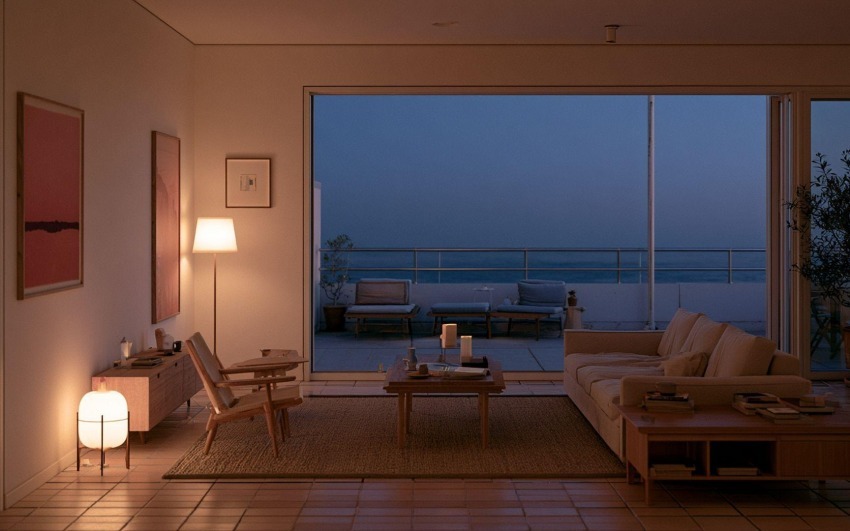
Knowing about the "superpowers" of light sources will be useful when space is limited and you have to be creative to make your interior seem bigger. We can give you some tips on how to get the effects you desire.
Interior Designer since 1985
CEO & Founder, Italian Design in the World
In summer we design the light and forget its reverse. Yet when the sun turns harsh, it is shade that decides whether a room can be lived in.
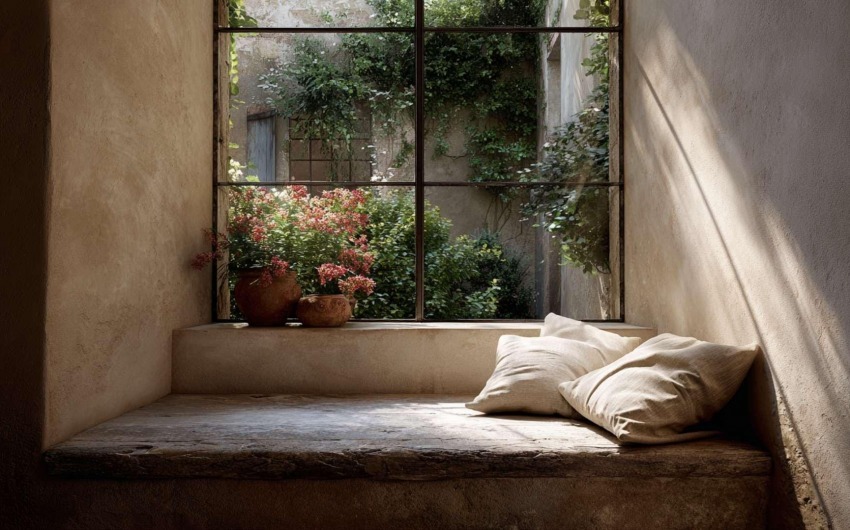
This isn't a technical manual on joinery — it's an invitation to treat the window as inhabitable thickness, not as a hole in the wall.
We design walls and floors as if the volume stopped halfway up. Then we wonder why the room doesn't breathe.
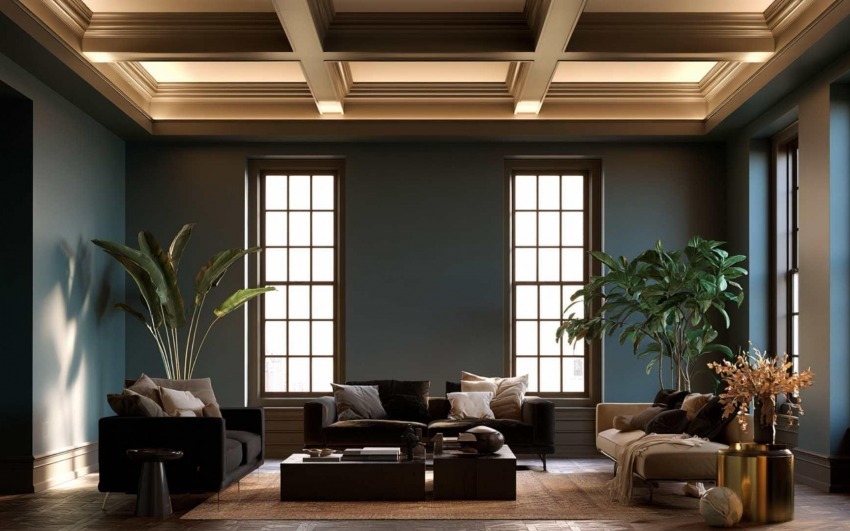
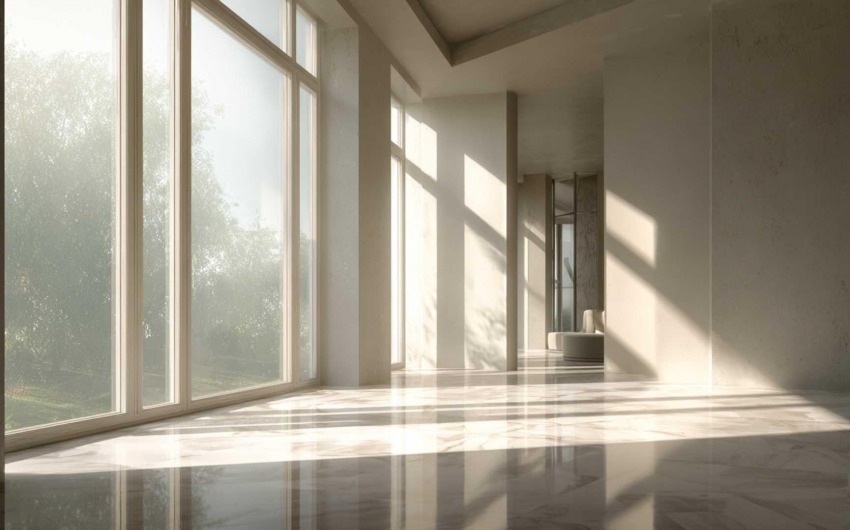
Before choosing a colour or a piece of furniture, one question should guide every residential project: where does the sun come in, and at what times? The orientation of the building and its openings determines the quantity and quality of natural light more than any lamp. Yet in many projects we intervene afterwards — correcting with curtains, artificial light, air conditioning — instead of designing with the sun from the start.
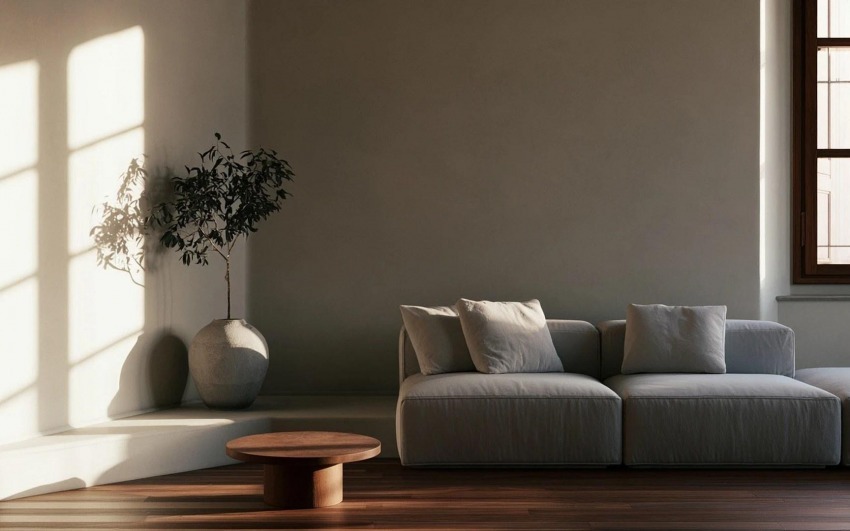
For years, interior design chased a luminous ideal: bright spaces, white walls, clean surfaces, uniform light. The goal was clear — amplify, open up, “make it feel larger.” Light became synonymous with modernity. And white became its official language.
As November arrives and the days grow shorter, heating bills start to rise — making energy efficiency a top priority once again. But sustainability doesn’t have to come at the expense of beauty. Today’s design philosophy combines efficiency, comfort, and visual harmony to create homes that both save energy and inspire calm.