6/28/2024
Embracing Simplicity: One of the fundamental principles of open and functional spaces is simplicity. By minimizing clutter and unnecessary furniture, you can create a clean and streamlined environment that promotes relaxation and ease of movement. Opt for multifunctional pieces that serve multiple purposes, allowing you to maximize space without sacrificing functionality.
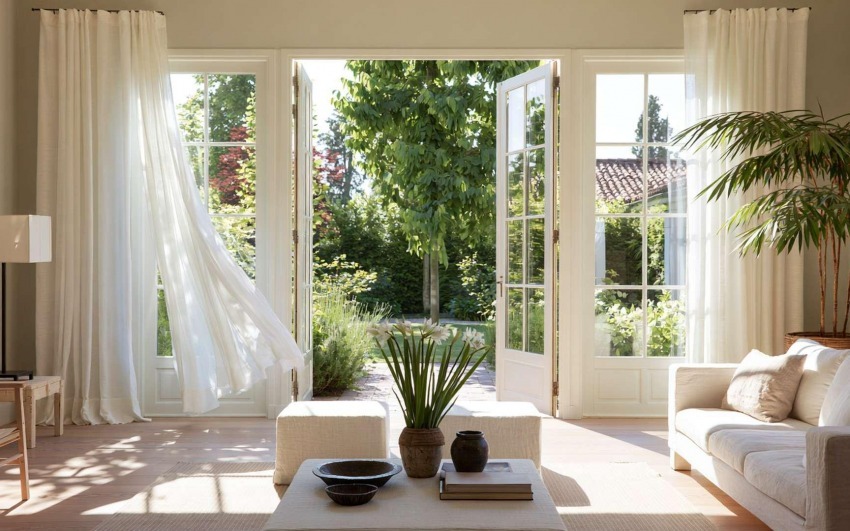
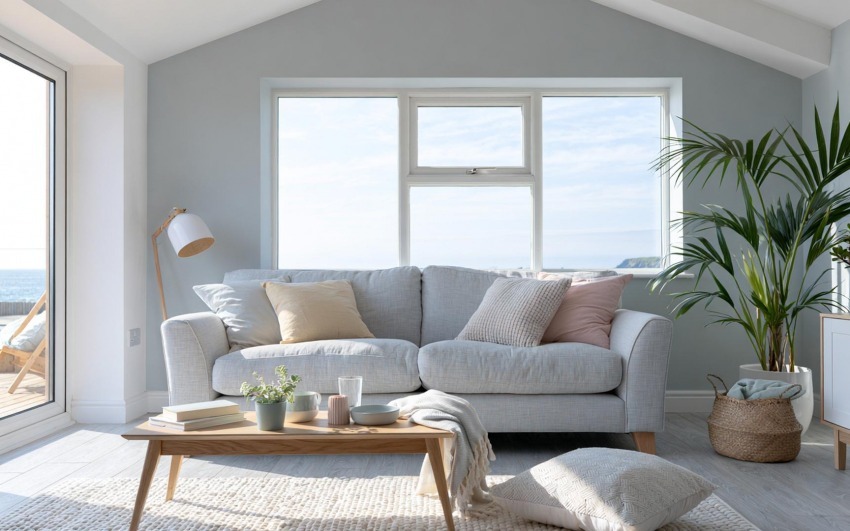
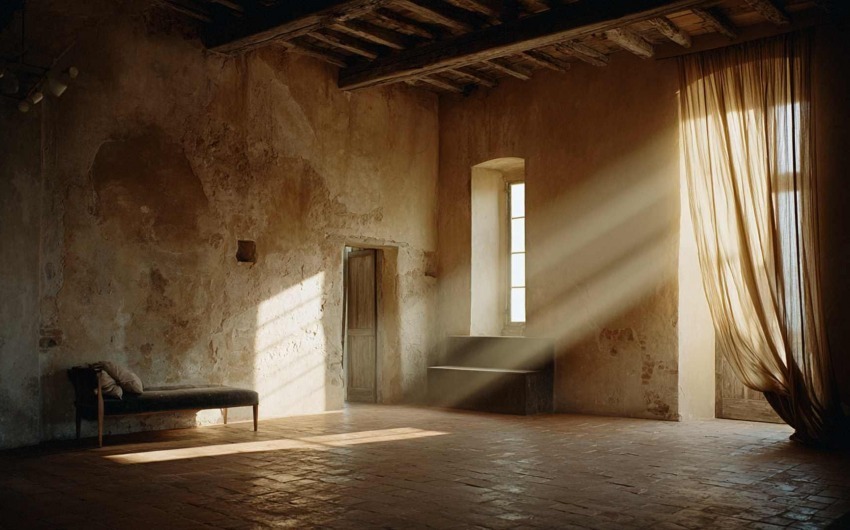
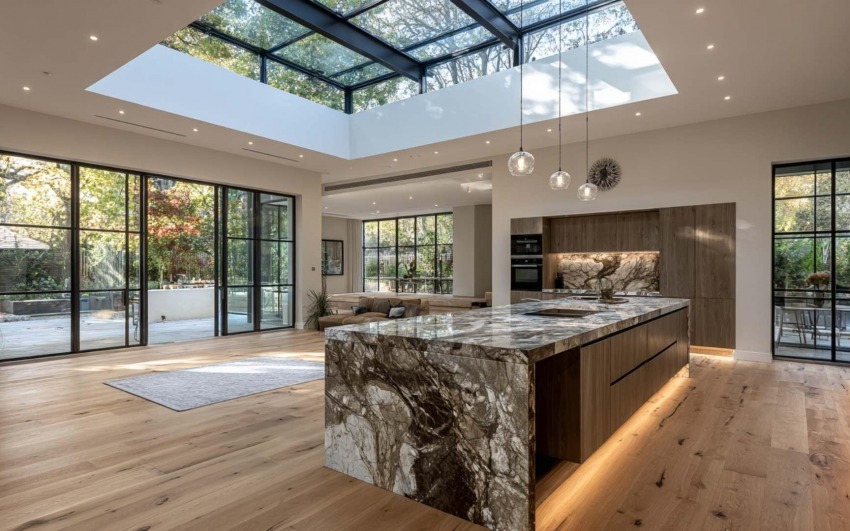
Maximizing Natural Light: Natural light plays a crucial role in enhancing the openness and spaciousness of a room. Embrace large windows, skylights, and strategically placed mirrors to amplify the influx of natural light and create an airy ambiance. Light, neutral color palettes further contribute to the sense of brightness and openness within the space.
Strategic Furniture Placement: When furnishing open spaces, thoughtful furniture placement is key. Arrange furniture in a way that encourages natural traffic flow and conversation, avoiding blocking pathways or disrupting the visual continuity of the room. Opt for furniture with clean lines and low profiles to maintain a sense of openness and cohesion.
Decluttering and Organization: Clutter is the enemy of open spaces. Embrace storage solutions such as built-in cabinets, shelving units, and hidden storage compartments to keep belongings neatly tucked away and out of sight. Regular decluttering sessions can help maintain the streamlined aesthetic of the space and prevent it from feeling overwhelmed by unnecessary items.
Creating Zones: While open spaces promote a sense of interconnectedness, it's essential to delineate distinct zones within the room for different activities. Whether it's a cozy reading nook, a functional workspace, or an entertainment area, creating defined zones helps to establish purpose and functionality within the space while maintaining its overall openness.
By prioritizing simplicity, maximizing natural light, strategic furniture placement, decluttering, and creating defined zones, you can cultivate open and functional spaces that not only exude a sense of spaciousness but also enhance the functionality and livability of your home. Embrace the beauty of open design and enjoy the freedom it brings to your living environment.
_14077b47db_23.jpg)
Interior Designer since 1985
CEO & Founder, Italian Design in the World