7/25/2024
1. Benefits of Incense
Incense offers numerous benefits beyond just a pleasant scent:
Relaxation: Fragrances like lavender, sandalwood, and chamomile can help reduce stress and promote relaxation.
Meditation: Incense is often used during meditative practices to enhance concentration and create a tranquil environment.
Air Purification: Some types of incense, like white sage, are known for their purifying and antibacterial properties.
2. Types of Incense
There are various types of incense, each with its unique characteristics:
Stick Incense: The most common, easy to use, and available in a wide range of fragrances.
Cone Incense: Offers a more intense aroma and burns faster than stick incense.
Spiral Incense: Ideal for scenting large spaces, burns slowly and evenly.
Resin Incense: Requires a special burner and provides a natural, deep aroma.
3. How to Use Incense at Home
To get the most benefit from incense, follow these tips:
Fragrance Selection: Choose scents you enjoy and that suit the mood you want to create. Lavender for relaxation, eucalyptus for freshening the air, sandalwood for meditation.
Placement: Place incense in well-ventilated areas but away from strong drafts to prevent it from extinguishing.
Safety: Always use a stable, fireproof incense holder, and never leave incense burning unattended.
4. Creating Rituals with Incense
Using incense can be part of a daily ritual to enhance well-being:
Morning Ritual: Light a citrus incense to start the day with energy and positivity.
Evening Ritual: Use lavender or chamomile incense to relax before bedtime.
Meditation and Yoga: Light sandalwood incense during meditation or yoga practice to enhance focus.
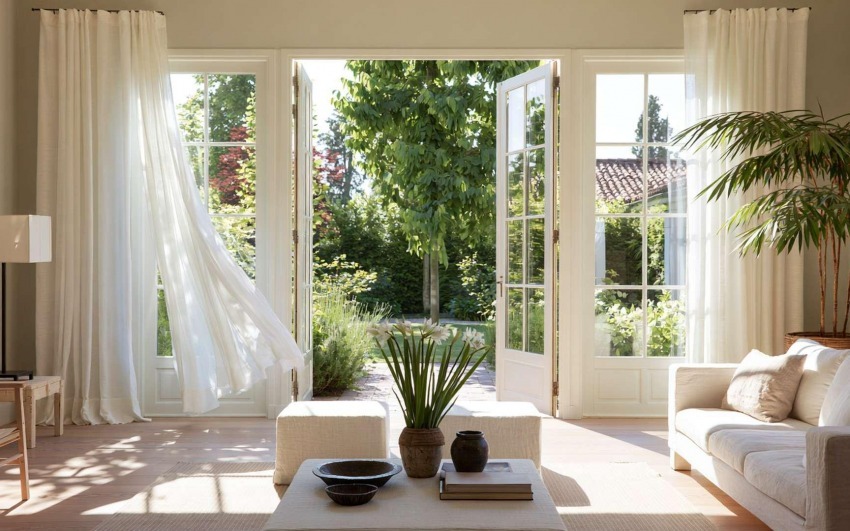
Incense is a powerful tool for creating relaxing and harmonious atmospheres at home. With the right choice of fragrances and mindful use, you can transform your living space into a sanctuary of peace and serenity.
_14077b47db_23.jpg)
Interior Designer since 1985
CEO & Founder, Italian Design in the World