HOW TO TAKE CARE OF WOODEN BEAMS

6/16/2023

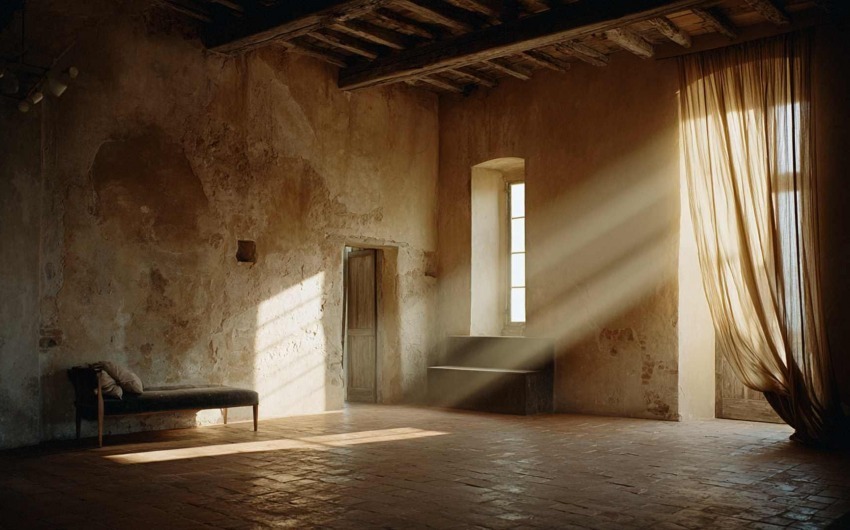
First of all, it would be good to specify that there are different types of wooden beams that can characterize our ceilings: from laminated wood, to solid wood, to the very simple fake wood beams. (To find out more, take a look at our blog on exposed wooden beams https://www.idwitalia.com/en/exposed-beams-some-ideas-to-draw-inspiration-from). Obviously, if we are faced with solid wood beams, typical of rustic houses, maintenance will be slightly more delicate, since they are more subject to cracking and, consequently, threatened by sticky resin, which may need to be removed with great delicacy.

How_to_take_care_of_wooden_beams_IDW-Italia-Prague-Biella

However, generally, proper cleaning of wooden beams is essential in order to keep them intact and impeccable over time. The first step to start from, when we try to clean wooden beams, is certainly the removal of dust: even if nobody thinks about it since we usually walk on the floors and not on the ceilings, in addition to removing the dust with a special duster, it is really very useful to vacuum up wooden beams and ceilings (in general it is advisable to carry out this action on any ceiling), helping us with a small nozzle for the more tricky points, so as to remove the dust and dirt that accumulates in the time.

How_to_take_care_of_wooden_beams_IDW-Italia-Prague-Biella

Unlike common floors, except for parquet, which are used to being washed with a rag, wood does not get along well with water, as it could swell and ruin it, as well as causing the formation of halos and stains in the wood. Therefore, if we are faced with excessively dirty beams, it would be good to contact a professional. However, a possible solution could be to use a slightly damp microfibre cloth (possibly one that does not release hateful lint to remove) to remove stubborn dust, leaving the windows open for many hours, thus making sure to let the beams dry perfectly. avoiding humidity problems.

How_to_take_care_of_wooden_beams_IDW-Italia-Prague-Biella

As regards maintaining the vividness of the wood and any problems of aging or deterioration caused by woodworm, the key word is hydration: an anti-woodworm oil could prevent any unpleasant attacks and, once dried, thanks to the fact that the pores of the wood will thus be open, we subsequently recommend the application of natural oils, absolutely non-aggressive, capable of hydrating the wood in the best possible way, giving it shine and reducing the sense of aging to the eye.

How_to_take_care_of_wooden_beams_IDW-Italia-Prague-Biella

Finally, once the natural oil we have applied has dried completely and perfectly, we could think of repainting it with protective products based on beeswax, which give our beams an innovative and shiny air.

How_to_take_care_of_wooden_beams_IDW-Italia-Prague-Biella

Cristiano Castaldi IDW Italia
Cristiano Castaldi

Interior Designer since 1985

CEO & Founder, Italian Design in the World
Related Articles

  • The Anti-Algorithm Home: Spaces That Aren’t Instagrammable (But Truly Livable)
    2/13/2026 The Anti-Algorithm Home: Spaces That Aren’t Instagrammable (But Truly Livable)

    For years, we designed homes as if they had to pass a constant visual exam: perfect light, perfect white, the right chair, the right vase. Interiors built to be photographed more than lived in.
Digital aesthetics — polished, minimal, hyper-ordered — entered interior design like an unspoken rule: if it isn’t “clean,” it isn’t beautiful; if it isn’t coherent, it isn’t successful; if it can’t be shown, it isn’t desirable.In 2026, this narrative is losing its power. Not because beauty matters less, but because beauty alone is no longer enough.
A new need is emerging: anti-algorithm interiors, spaces not designed for the shot, but for everyday life. Less performative homes, more real ones. Environments that don’t seek approval — they restore energy.This is not a return to chaos. It’s a return to meaning.

  • The End of the Open Space: The Return of Thresholds
    1/30/2026 The End of the Open Space: The Return of Thresholds

    For years, open-plan living symbolized contemporary domestic design: fluid, bright, without barriers.
A response to the desire for freedom, openness, and visual continuity.Today, that promise is being reconsidered.
In 2026, many projects mark a shift — not a rejection of open space, but its critical evolution. The return of thresholds.

  • Interiors That Age Well: Designing Spaces Beyond Trends
    1/23/2026 Interiors That Age Well: Designing Spaces Beyond Trends

    One of the most underestimated challenges in contemporary design is time.
Not the time required to design a space, but the time the space must endure: years of daily life, change, wear, and transformation.

  • Living as a Cultural Act: When the Home Becomes a Position
    1/09/2026 Living as a Cultural Act: When the Home Becomes a Position

    In recent years, the home has stopped being a simple functional container.
It has become an extension of how we think, how we experience time, and how we relate to the world. Living today is a cultural act — a conscious choice that reflects values, priorities, and pace of life. It’s no longer just about aesthetics. It’s about position.

  • The Aesthetics of Ritual: How Design Shapes Everyday Habits
    1/02/2026 The Aesthetics of Ritual: How Design Shapes Everyday Habits

    Homes have become more than places — they have become temporal landscapes.
Design is shifting from objects to gestures, from furniture to the choreography of daily life.

  • The Material of the Future: Ultra-Thin Surfaces and Advanced Finishes
    12/19/2025 The Material of the Future: Ultra-Thin Surfaces and Advanced Finishes

    Material innovation is reshaping interiors more deeply than any aesthetic trend.
The new frontier is not in bold colors or complex textures — it lies in technical surfaces that are thin yet strong, discreet yet expressive, silent yet high-performing.