3/08/2024
1. Theme Selection:
Choose a theme that embodies the essence of femininity. You can opt for delicate shades like pink or ivory, or embrace a floral theme with napkins and centerpieces.
2. Linens and Dinnerware:
Use quality tablecloths and napkins to create an elegant base. Add coordinated plates and silverware for a refined touch. Every detail will contribute to a cozy and sophisticated atmosphere.

3. Floral Centerpiece:
A fresh floral centerpiece is a must for International Women's Day. Opt for delicate flowers like mimosa or tulips, placed in elegant vases or flower holders at the center of the table.

4. Refined Details:
Add refined details such as scented candles, decorative candle holders, or small gifts for the women present. These personalized accents will make the table unique and special.

5. Delicious Menu:
Prepare a delicious and feminine menu, perhaps with light and colorful dishes. Add a sweet note with desserts decorated with spring touches.

6. Creative Place Cards:
Personalize creative place cards with the names of the honored women. You can use small symbolic objects or hand-decorated cards for a personal touch.

7. Sweet Music:
Create a relaxing atmosphere with a playlist of sweet and feminine music. The right soundtrack will complete the experience and add a touch of magic.

Conclusion:
Decorating the table for International Women's Day is an affectionate gesture that pays tribute to the extraordinary women around us. Whether you celebrate with friends, family, or colleagues, a well-decorated table conveys love and appreciation.
Interior Designer since 1985
CEO & Founder, Italian Design in the World
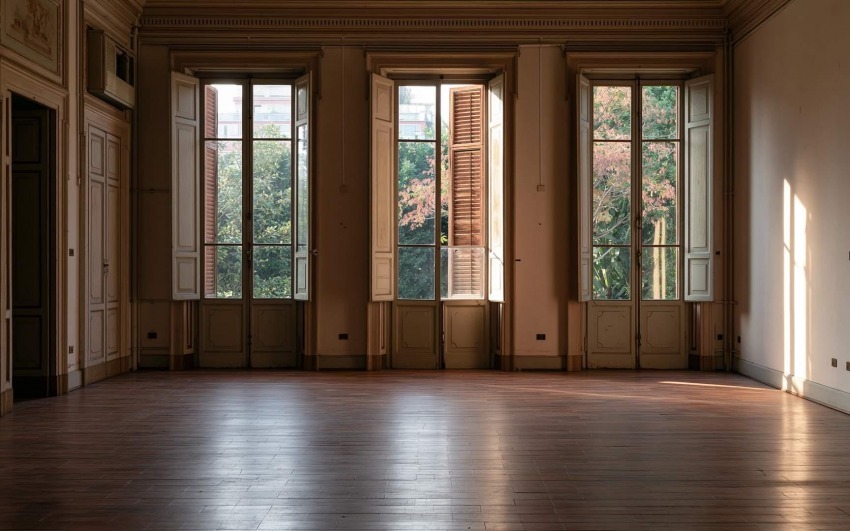
For years, we designed homes as if they had to pass a constant visual exam: perfect light, perfect white, the right chair, the right vase. Interiors built to be photographed more than lived in. Digital aesthetics — polished, minimal, hyper-ordered — entered interior design like an unspoken rule: if it isn’t “clean,” it isn’t beautiful; if it isn’t coherent, it isn’t successful; if it can’t be shown, it isn’t desirable.In 2026, this narrative is losing its power. Not because beauty matters less, but because beauty alone is no longer enough. A new need is emerging: anti-algorithm interiors, spaces not designed for the shot, but for everyday life. Less performative homes, more real ones. Environments that don’t seek approval — they restore energy.This is not a return to chaos. It’s a return to meaning.
For years, open-plan living symbolized contemporary domestic design: fluid, bright, without barriers. A response to the desire for freedom, openness, and visual continuity.Today, that promise is being reconsidered. In 2026, many projects mark a shift — not a rejection of open space, but its critical evolution. The return of thresholds.
One of the most underestimated challenges in contemporary design is time. Not the time required to design a space, but the time the space must endure: years of daily life, change, wear, and transformation.
In recent years, the home has stopped being a simple functional container. It has become an extension of how we think, how we experience time, and how we relate to the world. Living today is a cultural act — a conscious choice that reflects values, priorities, and pace of life. It’s no longer just about aesthetics. It’s about position.
Homes have become more than places — they have become temporal landscapes. Design is shifting from objects to gestures, from furniture to the choreography of daily life.
Material innovation is reshaping interiors more deeply than any aesthetic trend. The new frontier is not in bold colors or complex textures — it lies in technical surfaces that are thin yet strong, discreet yet expressive, silent yet high-performing.