3/11/2022
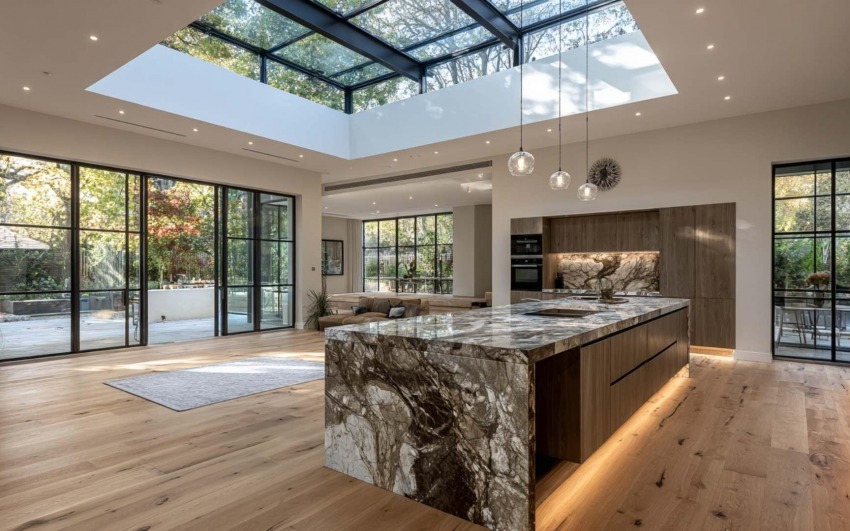
When the heights and the structural characteristics allow it, it is possible to create a mezzanine in the house to take advantage of the available space.
When you have very high ceilings and the floor space is limited, the mezzanine is the ideal solution, especially if built in light material such as in the case of wooden structures, in most cases accompanied by metal.
The mezzanine is not only excellent from the practical side, it is also pleasing to the eye and welcoming as well as having the advantage of having more airy and illuminated environments, while remaining all open in a single double-height environment.
For it to be possible to adopt this arrangement, it is necessary to comply with the requirements that the regulations indicate for a correct distribution in height and surface:
The minimum height indicated for the room is 440 cm (the height above and below the mezzanine must not be less than 210 cm, taking into account the slab)
The surface of the mezzanine must be within 1/3 of the total area of the environment
In a mezzanine room, the window area must not be less than 1/8 of the floor area, to ensure a sufficient average daylight factor to illuminate the mezzanine area.
Having checked the feasibility, let's see together some ideas for the mezzanine that could be for you


Interior Designer since 1985
CEO & Founder, Italian Design in the World
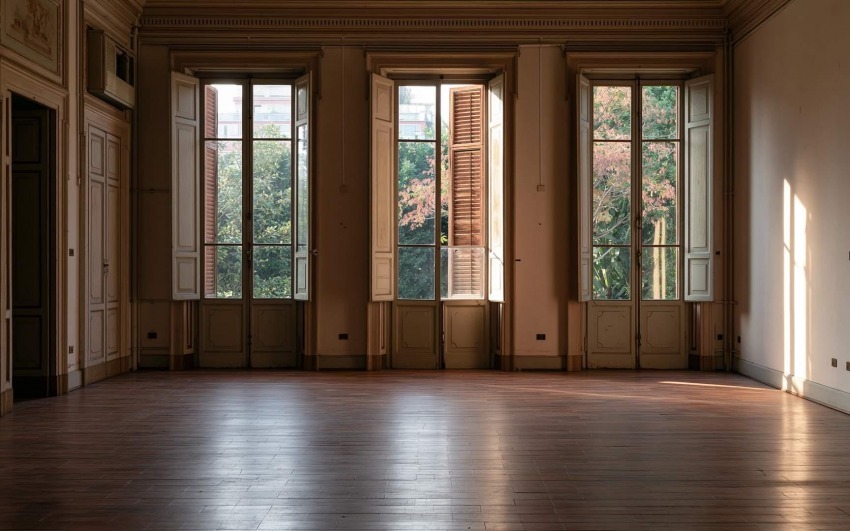
For years, open-plan living symbolized contemporary domestic design: fluid, bright, without barriers. A response to the desire for freedom, openness, and visual continuity.Today, that promise is being reconsidered. In 2026, many projects mark a shift — not a rejection of open space, but its critical evolution. The return of thresholds.
One of the most underestimated challenges in contemporary design is time. Not the time required to design a space, but the time the space must endure: years of daily life, change, wear, and transformation.
In recent years, the home has stopped being a simple functional container. It has become an extension of how we think, how we experience time, and how we relate to the world. Living today is a cultural act — a conscious choice that reflects values, priorities, and pace of life. It’s no longer just about aesthetics. It’s about position.
Homes have become more than places — they have become temporal landscapes. Design is shifting from objects to gestures, from furniture to the choreography of daily life.
Material innovation is reshaping interiors more deeply than any aesthetic trend. The new frontier is not in bold colors or complex textures — it lies in technical surfaces that are thin yet strong, discreet yet expressive, silent yet high-performing.
For years, interior design celebrated straight lines and sharp rationality. But as homes became more intimate and introspective, a new aesthetic began to emerge — one rooted in softness, continuity, and emotional comfort. 2025 marks the consolidation of this evolution: curves, arches, and generous volumes define the new vocabulary of contemporary interiors.