11/20/2026
Sit as you would at home
AI Generated Content
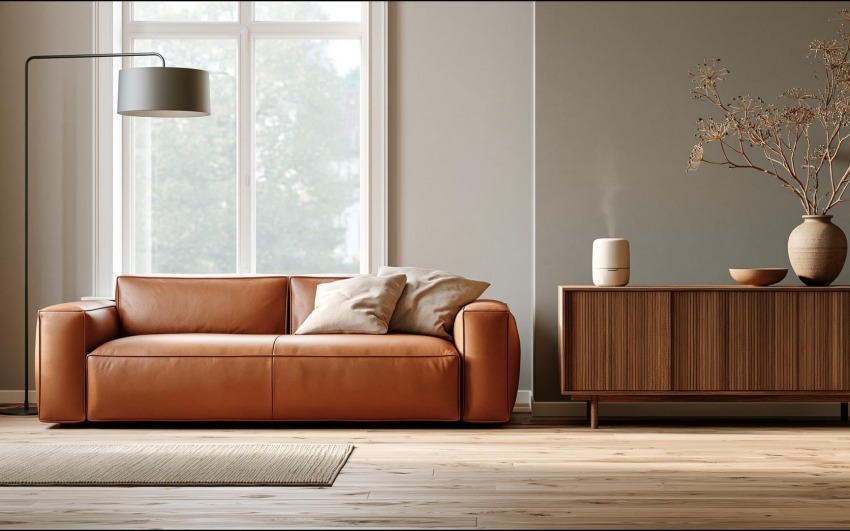
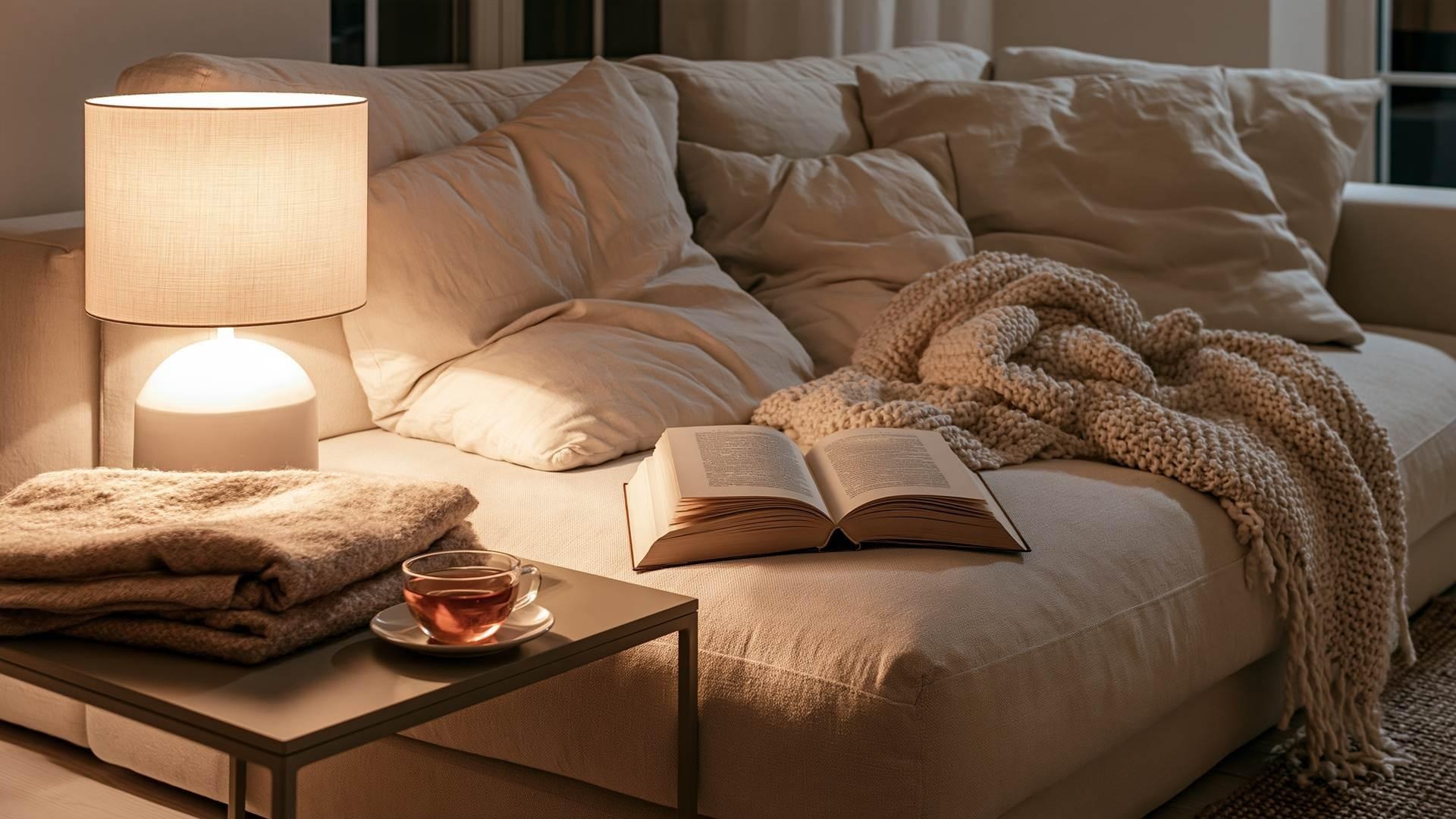
In a shop people sit upright, jacket on and bag in hand. At home they do not. To really understand a sofa you have to use it the way you will use it: lean against the back, put your legs up, lie down on the chaise, stay seated for at least ten minutes. That is when you feel whether the seat supports you or lets you sink.
It is worth trying it as a pair, if more than one person will use it at home, and with the same habits: someone who reads sitting upright and someone who watches films lying down are looking for two different sofas.
The measurements that matter
AI Generated Content
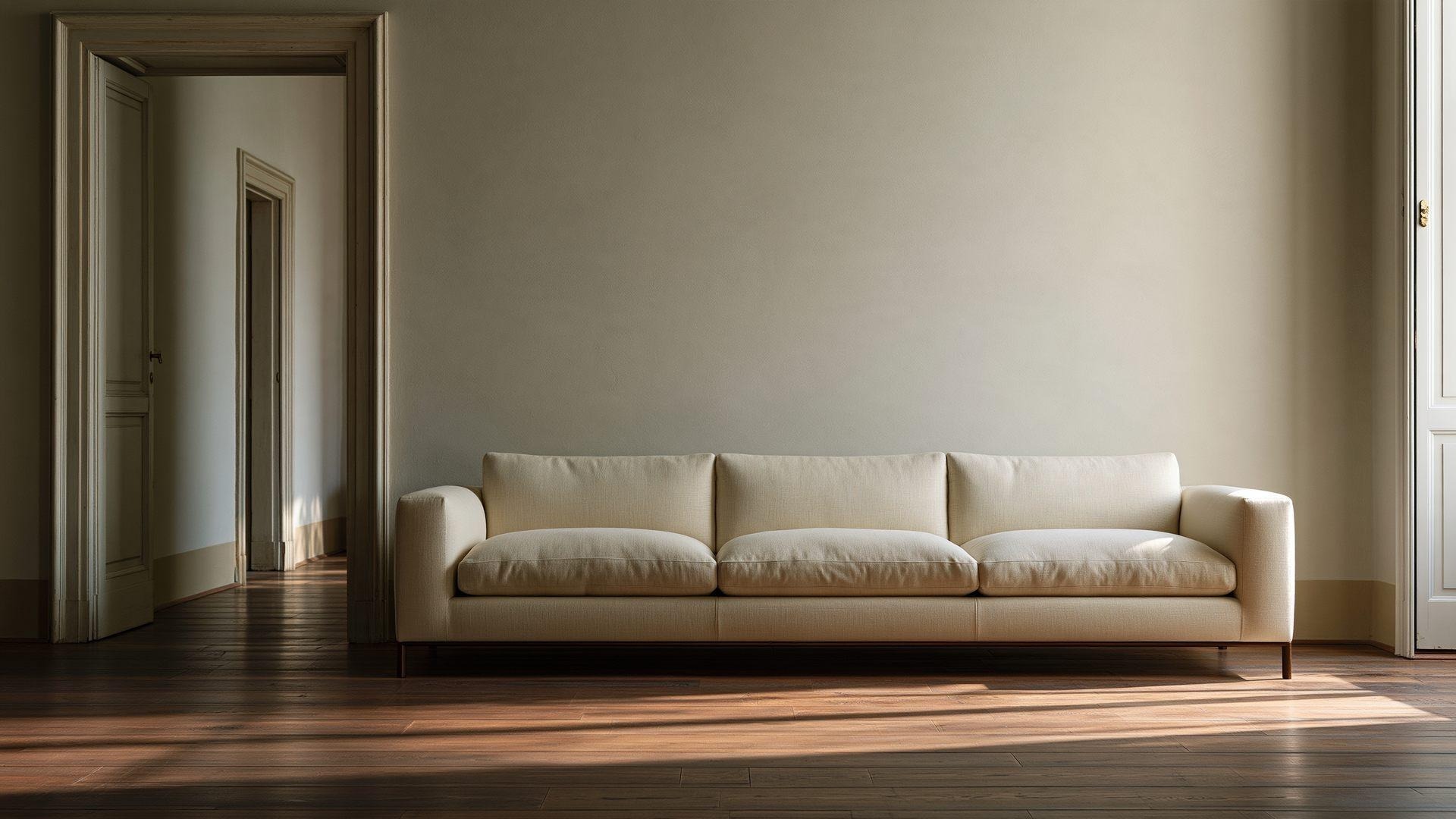
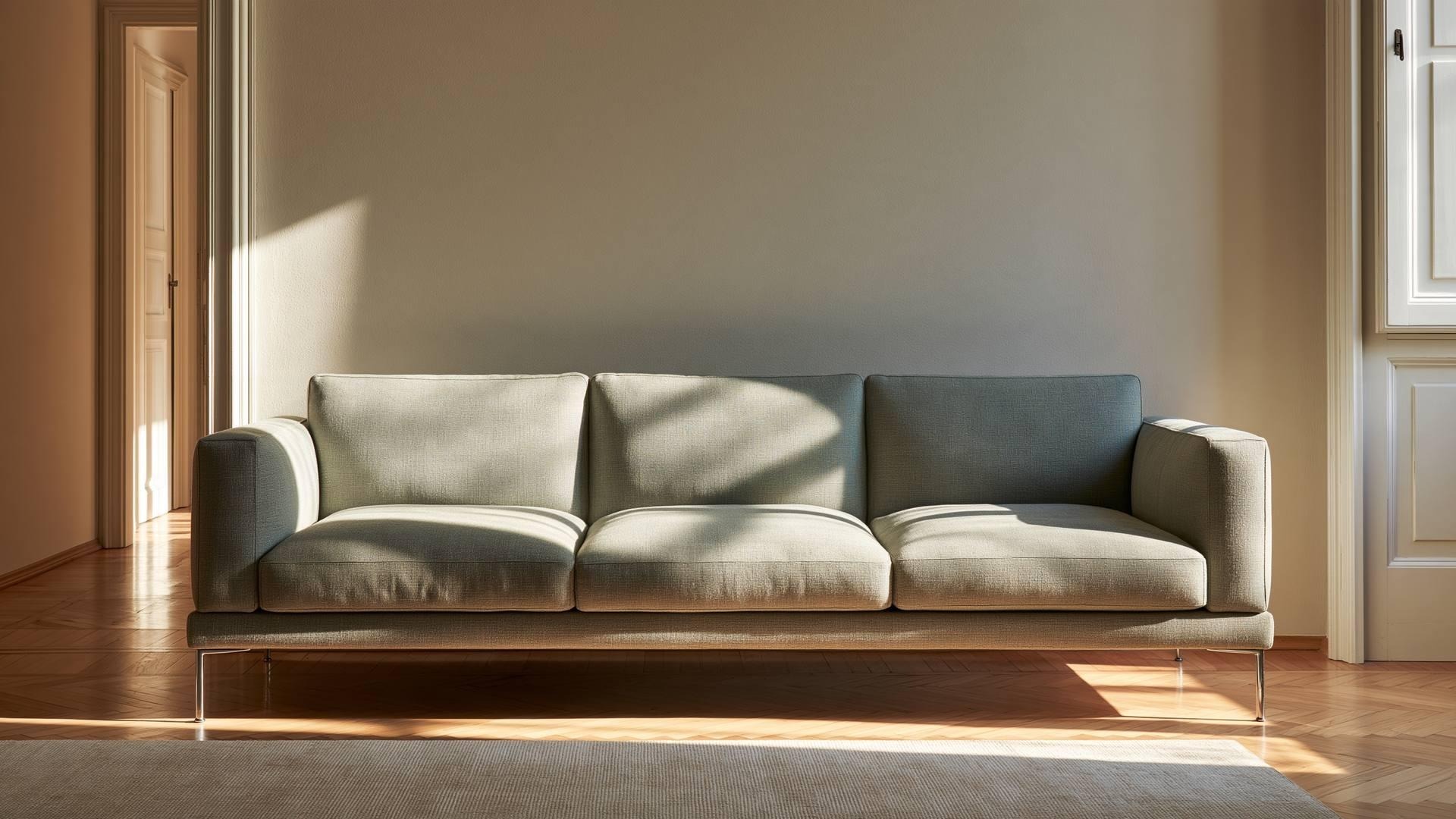
Seat depth decides almost everything. Around 55 to 60 centimetres you sit with your back supported and your feet on the floor; beyond 65 the sofa invites you to curl up or lie down, but shorter people end up needing a cushion behind their back. Seat height, usually between 42 and 45 centimetres, matters for anyone who gets up often and for older people.
AI Generated Content
Before going to the showroom you need the measurements of the wall, of the doors and, if there are any, of the stairs: a beautiful sofa that will not fit through the entrance is a serious problem.
What is inside
AI Generated Content
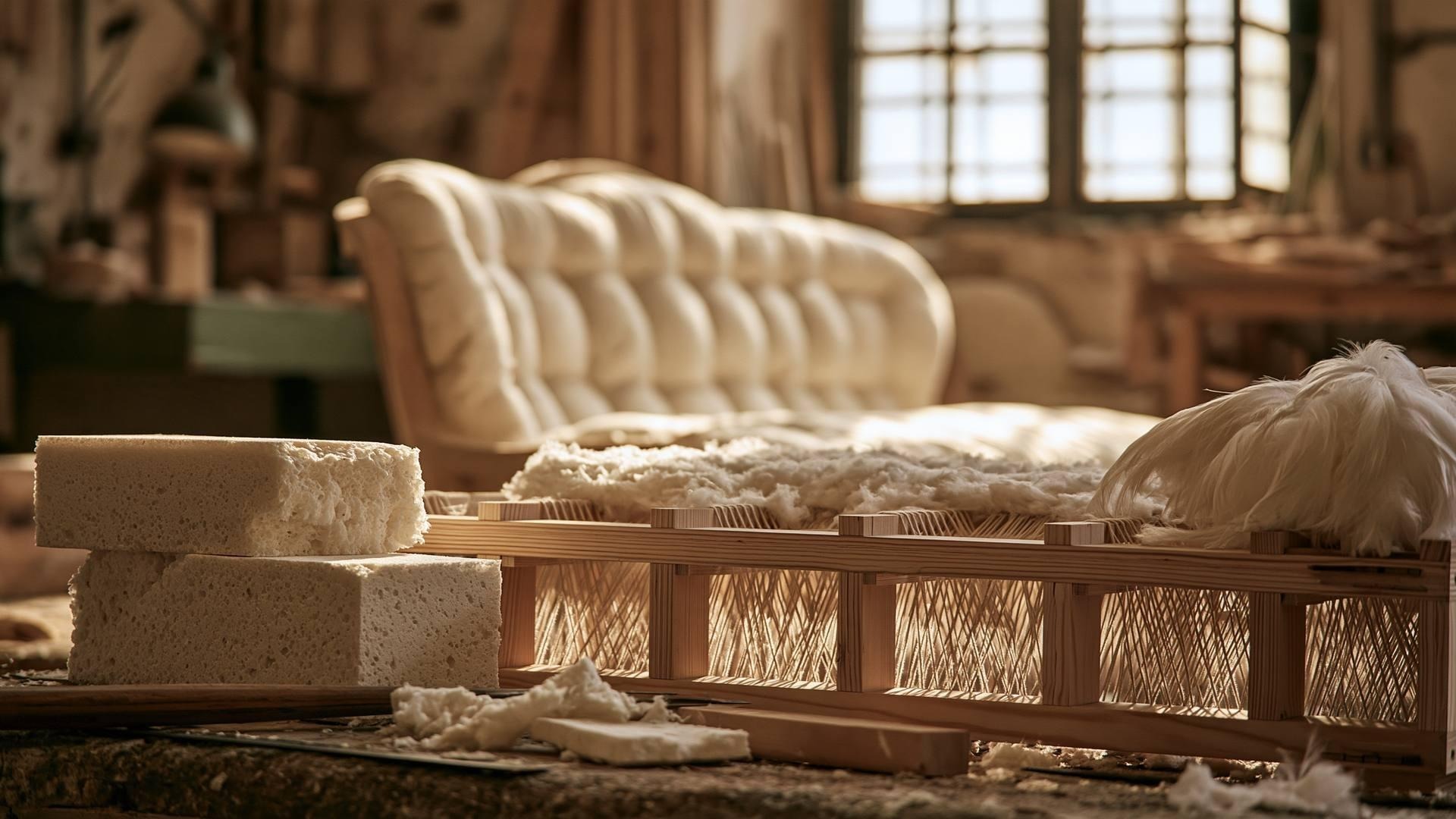
What you cannot see makes the difference over time. The best frame is solid wood or plywood; chipboard costs less and gives way sooner. Under the seat, elastic webbing or springs carry the weight and should stay taut even after years.
Polyurethane padding is judged by its density: for the seat a good figure starts at 30 kilos per cubic metre. Feathers make a sofa soft and welcoming but need plumping often; mixed cushions, with feathers around a foam core, are a good compromise.
The right fabric
AI Generated Content
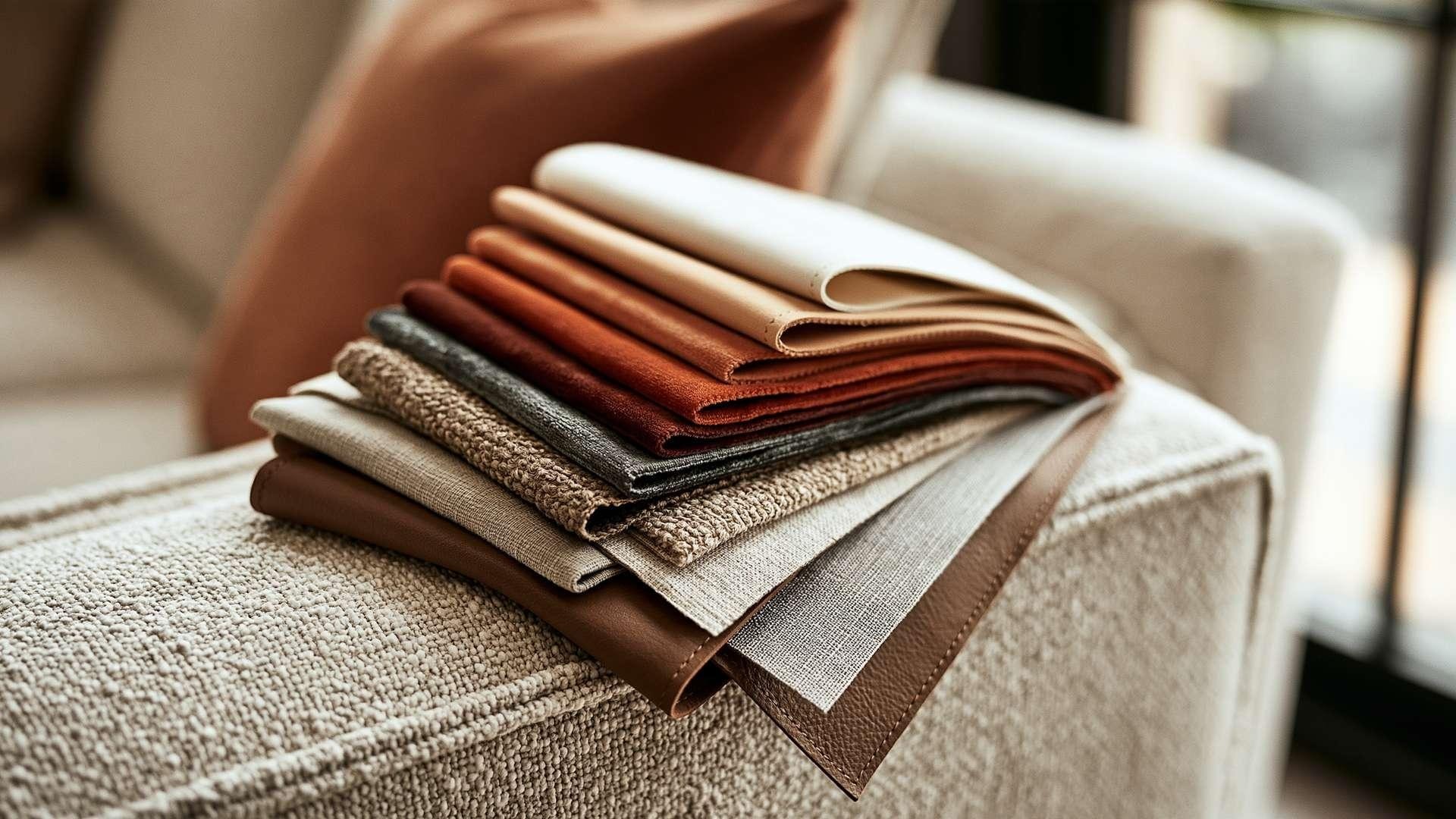
For fabrics there is a measure of wear resistance, the Martindale test, expressed in rub cycles. For a sofa used every day by a family it is worth staying above 25,000 to 30,000 cycles. With children and pets, removable washable covers matter too, as do microfibres that do not hold on to hair.
Leather ages well if it is good quality and kept nourished; light fabrics are more delicate, but today stain-resistant treatments make them manageable. Always ask for a sample to take home and look at it in the light of your own room.
In our showroom
AI Generated Content
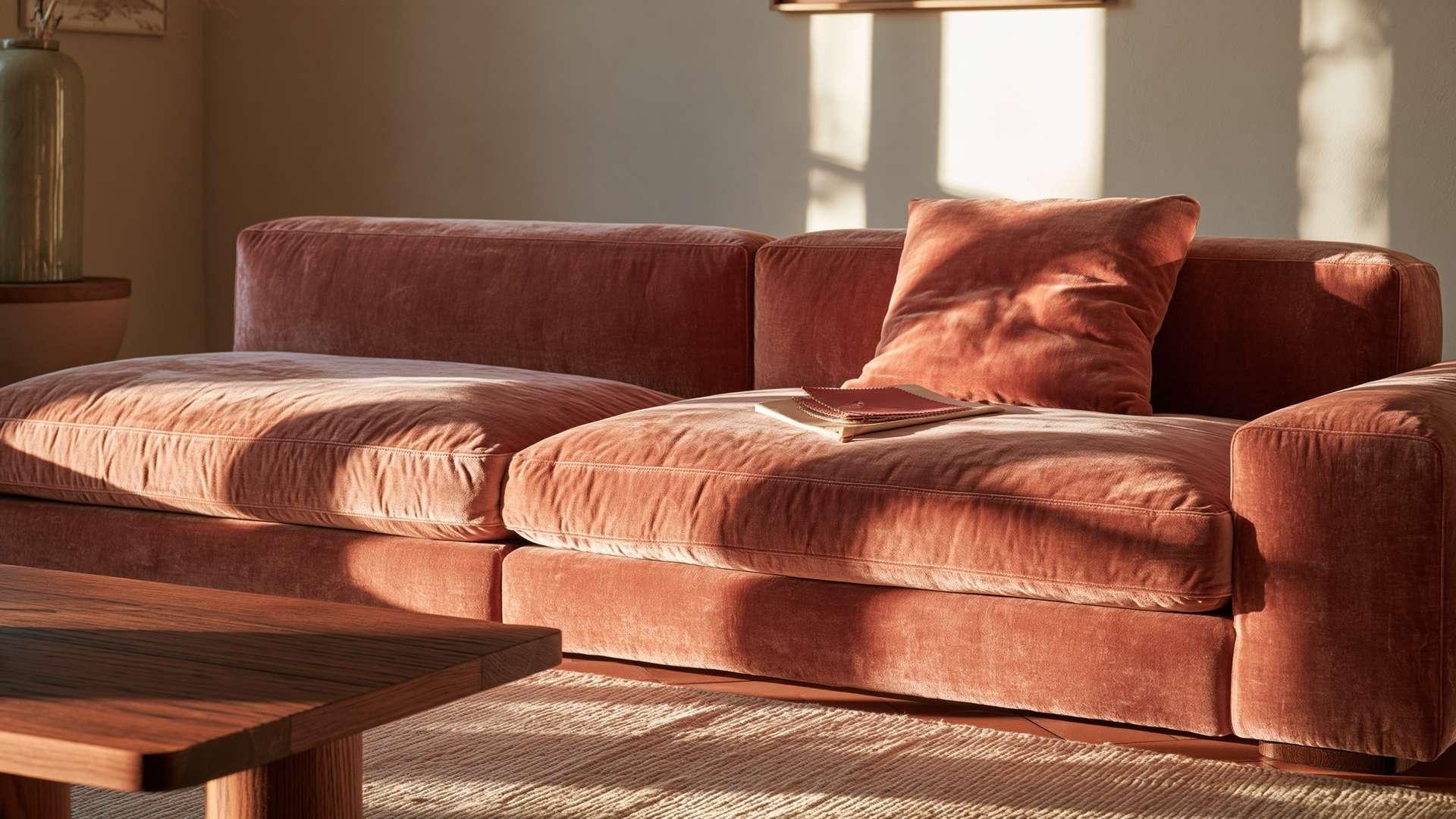
In our showroom sofas are tried properly, for as long as it takes, and can be opened up to see frame and padding. We start from the size of the room and the habits of the people who will use it, and only then move on to shape and colour.
Read more: Choose the perfect sofa for your living room and the sofas by Rosini Divani to find the right seat for every way of living at home.

Interior Designer since 1985
CEO & Founder, Italian Design in the World