Ritual Spaces at Home for Daily Well-Being

10/18/2024

Meditation: A Corner of Peace

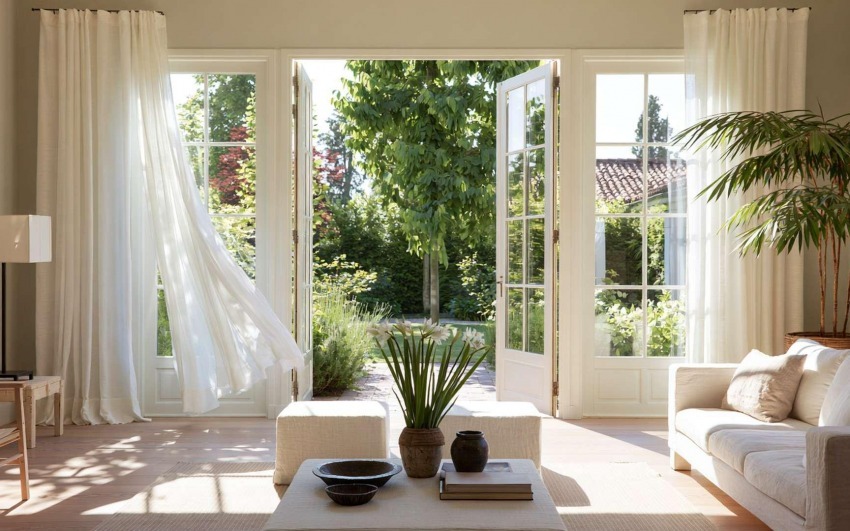
Creating a meditation space requires an environment that inspires tranquility and focus. Choose a quiet corner of the house, ideally with natural light. The décor should be minimal, with comfortable cushions, soft rugs, and decorations that reflect serenity. Plants can add a natural touch that promotes calm.


relax-furnishment_IDW-Italia-Biella


Yoga: Balancing Body and Mind

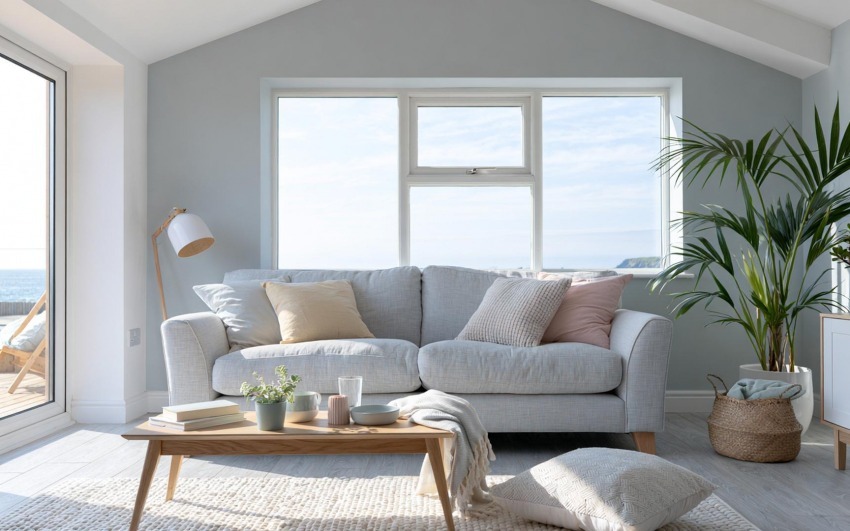
For a yoga space, it's essential to have a clutter-free area. A quality yoga mat, scented candles, and good lighting are key. Neutral, calming tones promote focus, while mirrors can help correct posture during practice.


relax-furnishment_IDW-Italia-Biella


Reading: A Sanctuary for the Mind

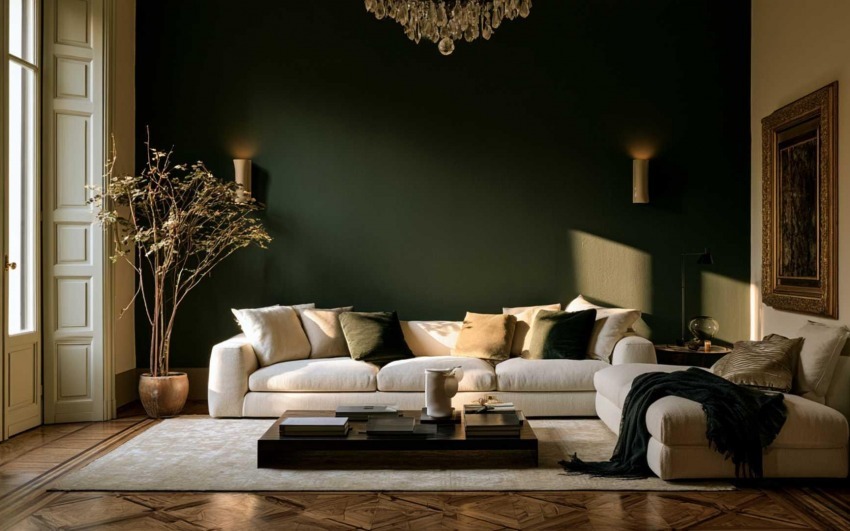
A well-designed reading nook can become the perfect escape for relaxation. An ergonomic chair, a good light source, and an accessible bookshelf are essential elements. This space should offer comfort and a sense of intimacy, perhaps with the addition of blankets or cushions.


relax-furnishment_IDW-Italia-Biella


The Importance of Rituals

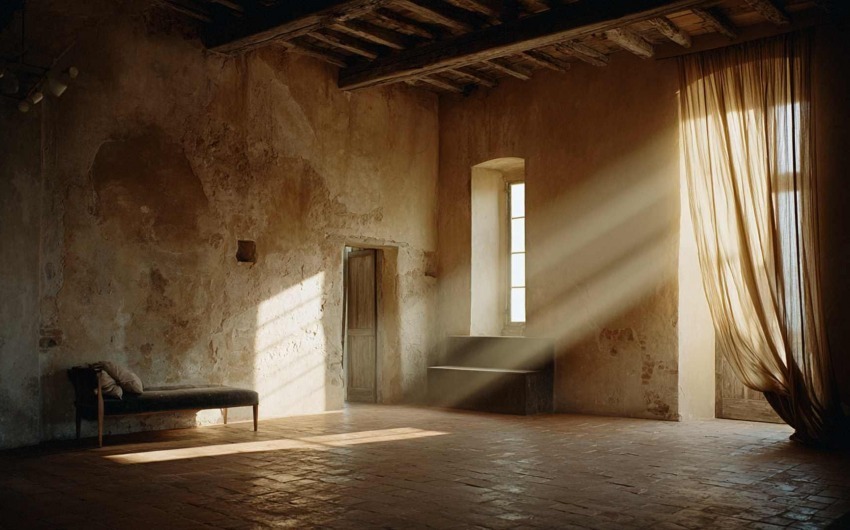
Integrating spaces for daily rituals at home not only improves physical well-being but can also have a positive impact on mental health. These spaces provide a break from the everyday hustle, helping to restore a sense of balance and serenity.


Cristiano Castaldi IDW Italia
Cristiano Castaldi

Interior Designer since 1985

CEO & Founder, Italian Design in the World
Related Articles

  • A Room for Everything: Dedicated Spaces (Beyond Open Plan)
    3/27/2026 A Room for Everything: Dedicated Spaces (Beyond Open Plan)

    Open plan has dominated the image of the contemporary home: few walls, few boundaries, maximum flexibility. The promise was freedom — kitchen in dialogue with the living room, light flowing, no "closed" rooms. Over time many have discovered the downside: noise travelling, no refuge, difficulty concentrating or switching off. The response isn't to go back to the closed-off house of the past, but to rethink the value of dedicated spaces: environments with a clear function that the body and mind learn to recognise.

  • The Sound of the House: Acoustics, Silence and Absorbing Materials
    3/13/2026 The Sound of the House: Acoustics, Silence and Absorbing Materials

    Interior design has long favoured sight: colours, shapes, surfaces. Only recently have we started to talk about touch and smell. Hearing, by contrast, remains the most neglected sense at the design stage — yet it's the one we can't switch off. We live in homes that boom, reverberate, carry voices and noise from one room to another. The result is stress, fatigue, difficulty concentrating and resting.

  • The House That Breathes: Seasonality and Natural Rhythms in Interiors
    3/06/2026 The House That Breathes: Seasonality and Natural Rhythms in Interiors

    For decades interior design has chased the idea of a "perfect", unchanging space: same colours, same lights, same layout twelve months a year. The home as a photo set always ready, but often distant from the cycles that govern our body and our mood.Today a different idea is returning: the house as an organism that responds to the seasons. Not an aesthetic whim, but a response to the need to align the environments we live in with natural rhythms — light, temperature, colour, vegetation — with measurable benefits for sleep, concentration and wellbeing.March, with the equinox and the awakening of spring, is the ideal time to rethink interiors in a seasonal key.

  • Honest Materials: The Aesthetics of Truth (and the End of “Fake Luxury”)
    2/27/2026 Honest Materials: The Aesthetics of Truth (and the End of “Fake Luxury”)

    For years, interior design has lived with a contradiction: an obsession with effect.
Marble-effect. Wood-effect. Metal-effect. Stone-effect.
A home that looks like something, rather than truly being something.

  • The Anti-Algorithm Home: Spaces That Aren’t Instagrammable (But Truly Livable)
    2/13/2026 The Anti-Algorithm Home: Spaces That Aren’t Instagrammable (But Truly Livable)

    For years, we designed homes as if they had to pass a constant visual exam: perfect light, perfect white, the right chair, the right vase. Interiors built to be photographed more than lived in.
Digital aesthetics — polished, minimal, hyper-ordered — entered interior design like an unspoken rule: if it isn’t “clean,” it isn’t beautiful; if it isn’t coherent, it isn’t successful; if it can’t be shown, it isn’t desirable.In 2026, this narrative is losing its power. Not because beauty matters less, but because beauty alone is no longer enough.
A new need is emerging: anti-algorithm interiors, spaces not designed for the shot, but for everyday life. Less performative homes, more real ones. Environments that don’t seek approval — they restore energy.This is not a return to chaos. It’s a return to meaning.

  • The End of the Open Space: The Return of Thresholds
    1/30/2026 The End of the Open Space: The Return of Thresholds

    For years, open-plan living symbolized contemporary domestic design: fluid, bright, without barriers.
A response to the desire for freedom, openness, and visual continuity.Today, that promise is being reconsidered.
In 2026, many projects mark a shift — not a rejection of open space, but its critical evolution. The return of thresholds.