5/03/2024
Safety Comes First: When it comes to furnishing kids' rooms, safety is paramount. Mistral Camerette, in collaboration with IDW Italia, offers furniture designed with safe and tested materials to ensure a secure home environment for children.
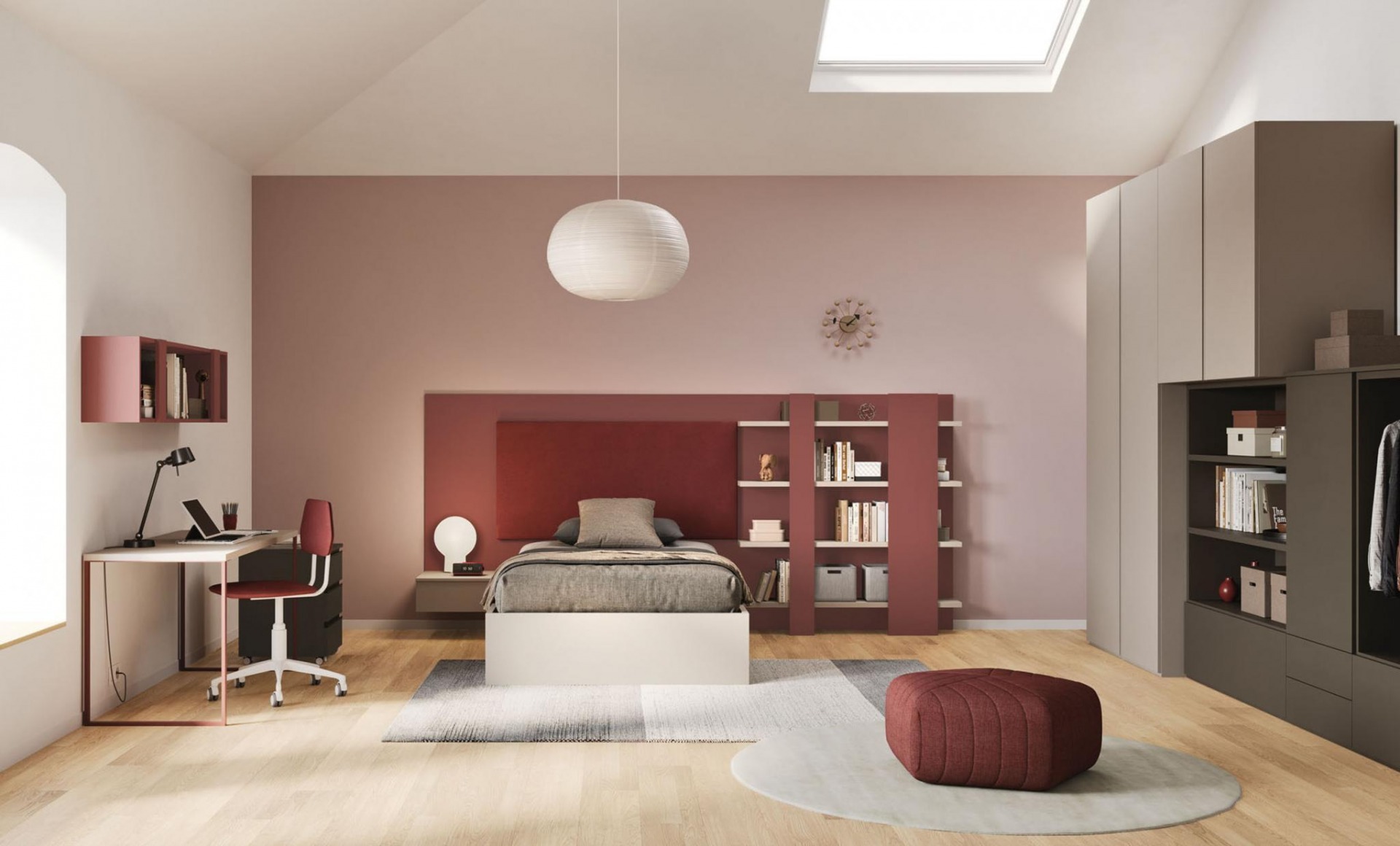
Versatility and Functionality: Kids' rooms need to be adaptable to their different activities and stages of growth. Mistral Camerette offers versatile and functional solutions, such as loft beds or integrated desks, optimizing space and fostering creativity in the little ones.
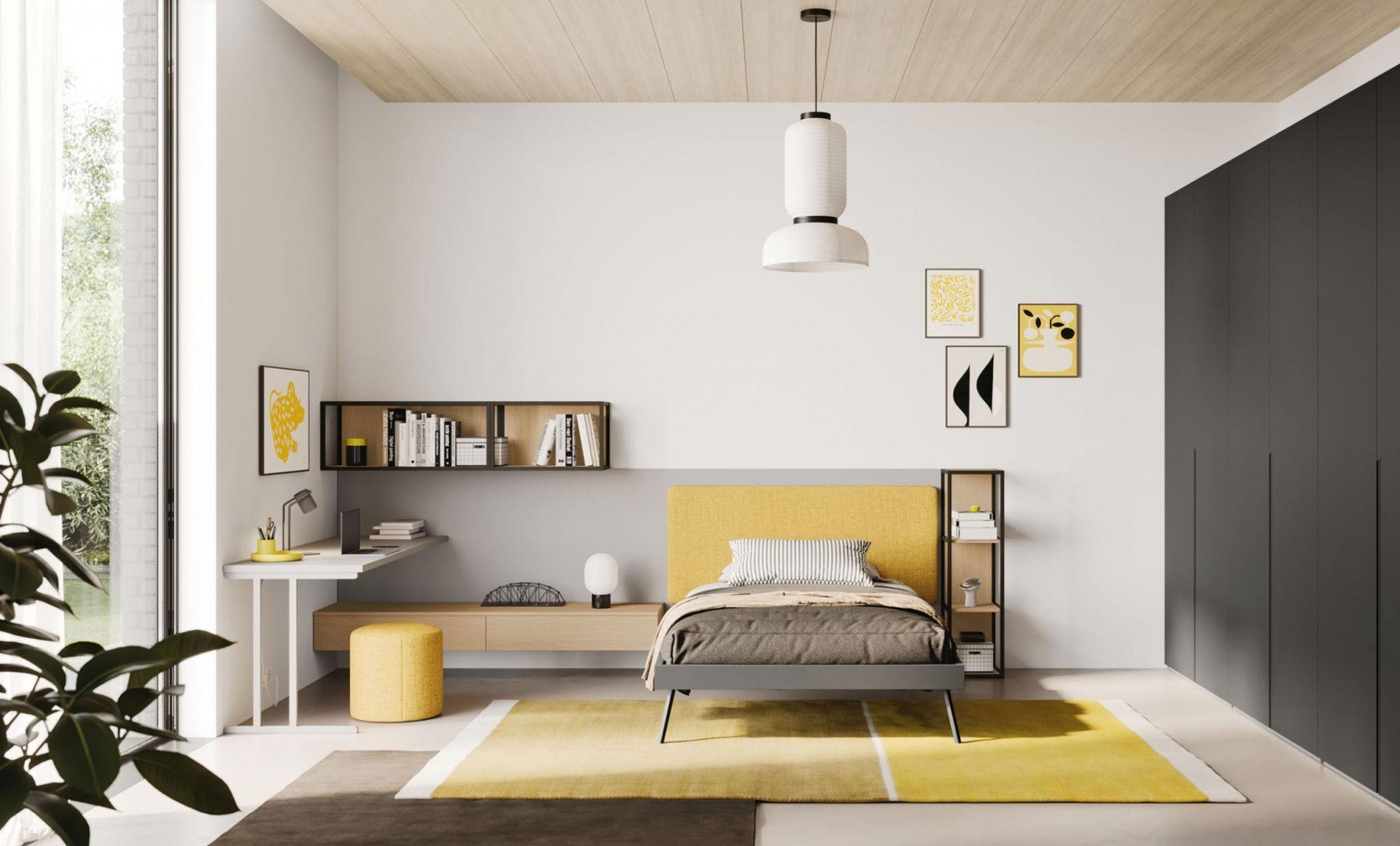
Vibrant and Stimulating Colors: Colors have a strong impact on children's emotional and cognitive development. Mistral's rooms, available through IDW Italia, offer a wide range of vibrant and stimulating colors, creating a joyful and welcoming environment for the little ones.
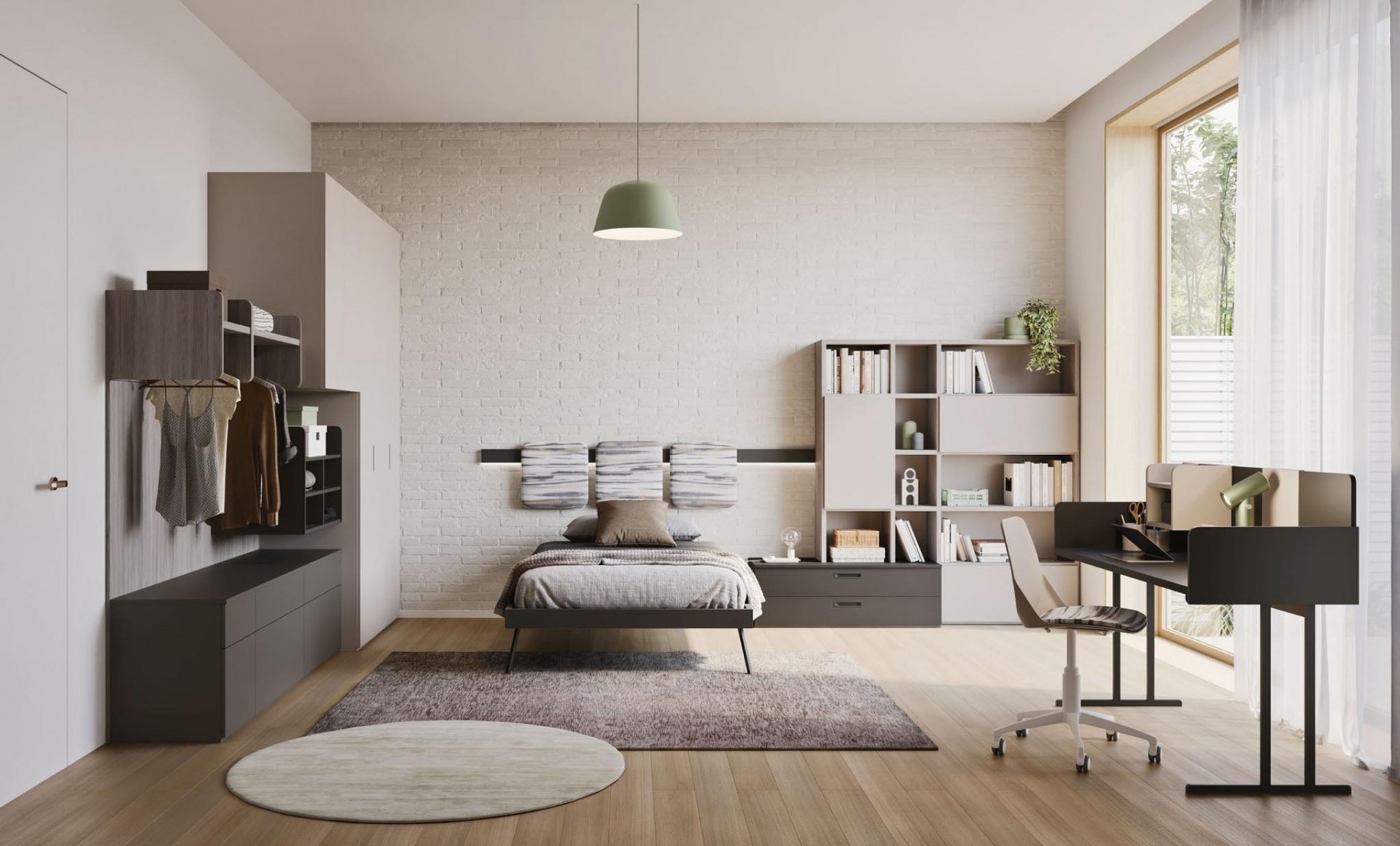
Customization and Creativity: Every child is unique and has their own tastes and interests. With Mistral Camerette, you can customize your child's room furniture, choosing from a variety of styles, colors, and accessories to create an environment that reflects their personality and fosters their creativity.
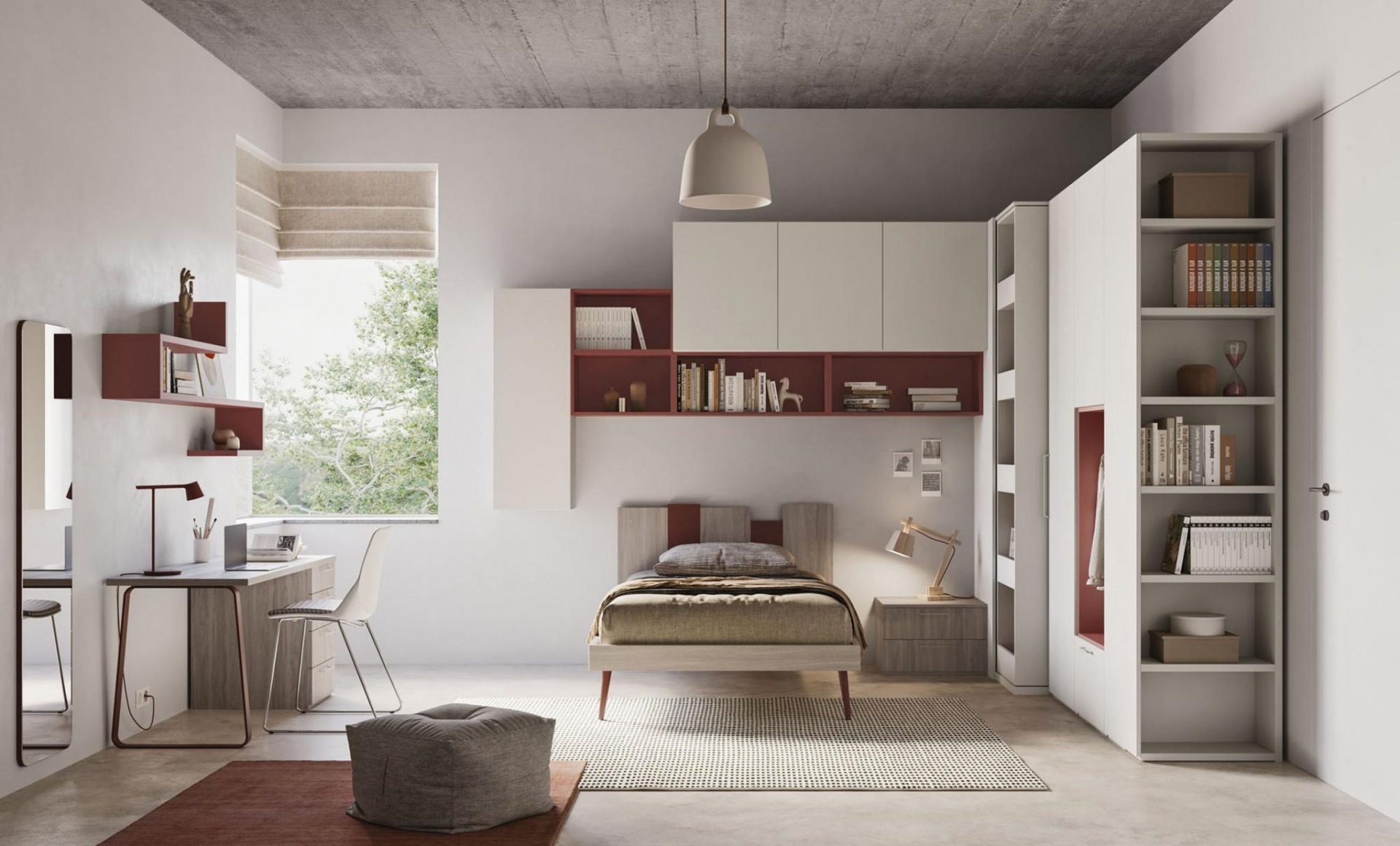
Play and Learning Spaces: Kids' rooms are not just places to sleep but also spaces for play and learning. Mistral Camerette offers innovative solutions to create areas dedicated to play and learning, such as retractable bookshelves or walls equipped with magnetic boards, stimulating imagination and cognitive development.
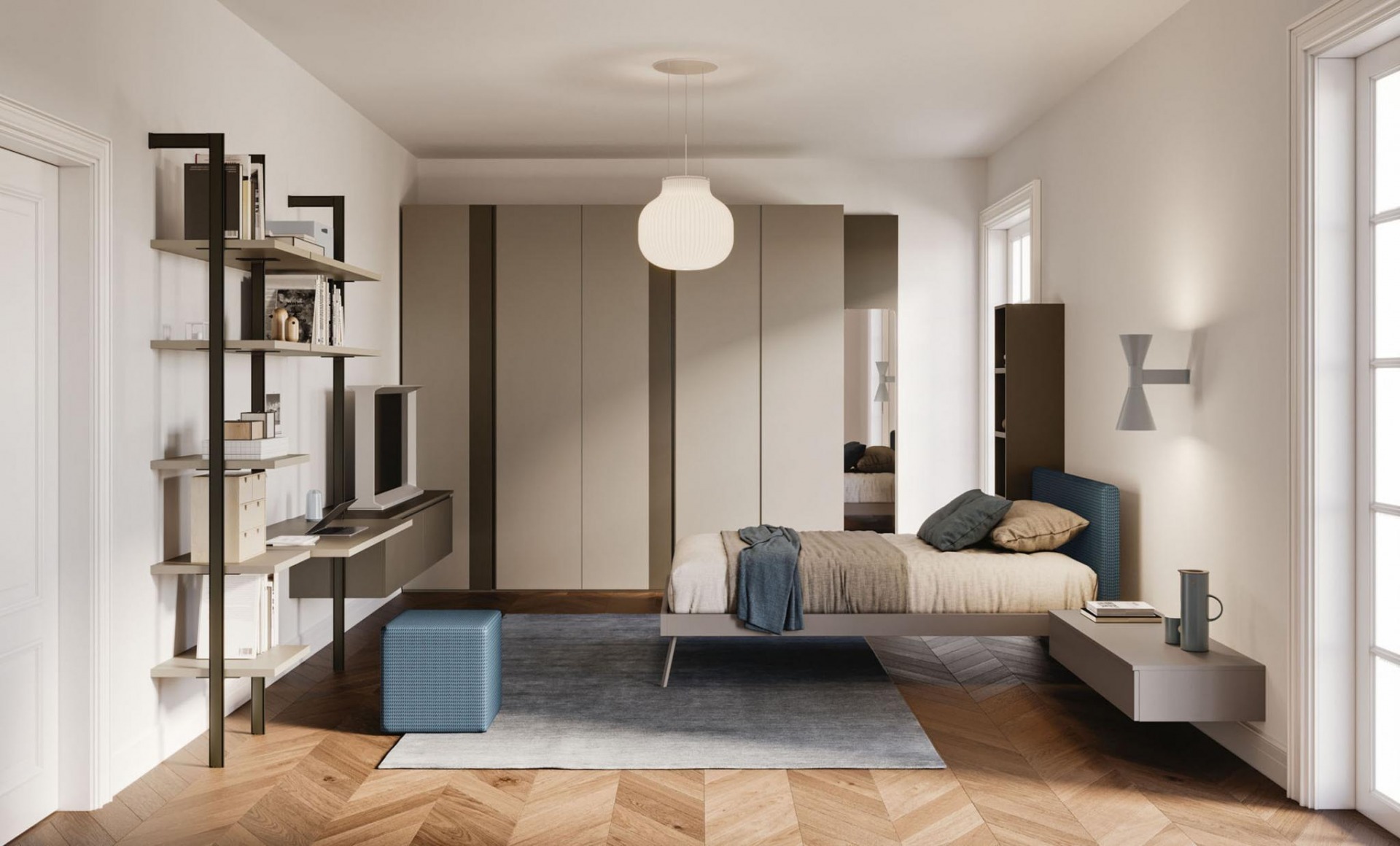
Furnishing kids' rooms is an exciting and rewarding task that requires attention to detail and the specific needs of the little ones. With Mistral Camerette, a trusted partner of IDW Italia, you can create safe, stimulating, and functional environments that promote the development and happiness of children. We hope these ideas have inspired you in creating your little ones' room!
Interior Designer since 1985
CEO & Founder, Italian Design in the World
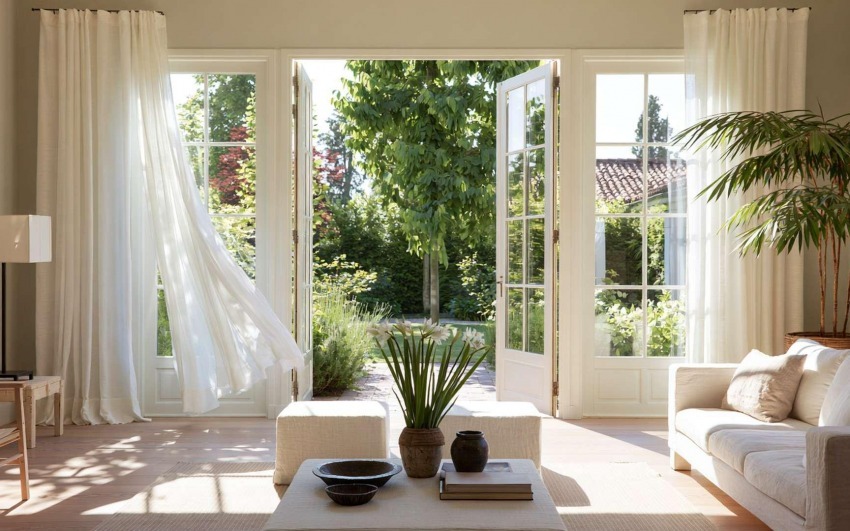
For years, we designed homes as if they had to pass a constant visual exam: perfect light, perfect white, the right chair, the right vase. Interiors built to be photographed more than lived in. Digital aesthetics — polished, minimal, hyper-ordered — entered interior design like an unspoken rule: if it isn’t “clean,” it isn’t beautiful; if it isn’t coherent, it isn’t successful; if it can’t be shown, it isn’t desirable.In 2026, this narrative is losing its power. Not because beauty matters less, but because beauty alone is no longer enough. A new need is emerging: anti-algorithm interiors, spaces not designed for the shot, but for everyday life. Less performative homes, more real ones. Environments that don’t seek approval — they restore energy.This is not a return to chaos. It’s a return to meaning.
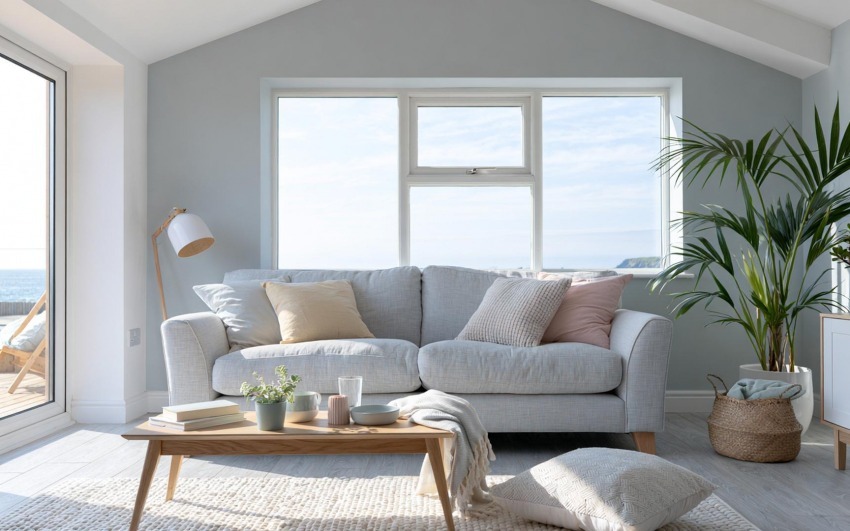
For years, open-plan living symbolized contemporary domestic design: fluid, bright, without barriers. A response to the desire for freedom, openness, and visual continuity.Today, that promise is being reconsidered. In 2026, many projects mark a shift — not a rejection of open space, but its critical evolution. The return of thresholds.
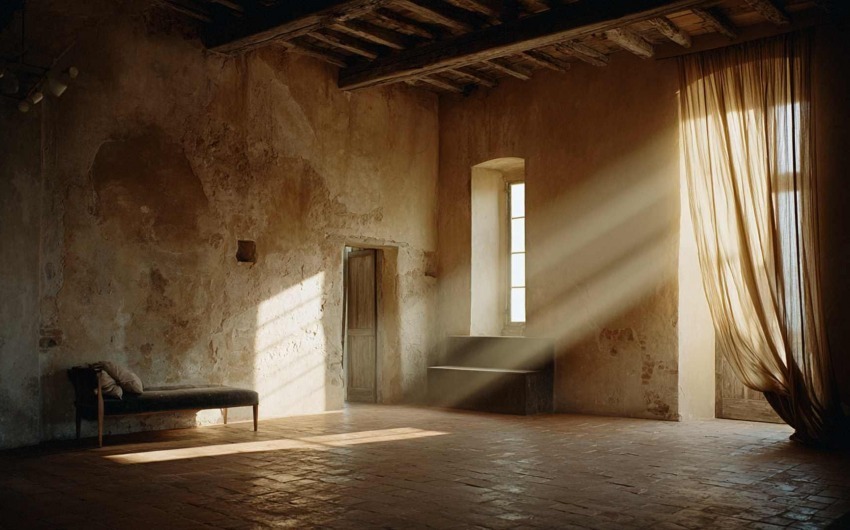
One of the most underestimated challenges in contemporary design is time. Not the time required to design a space, but the time the space must endure: years of daily life, change, wear, and transformation.
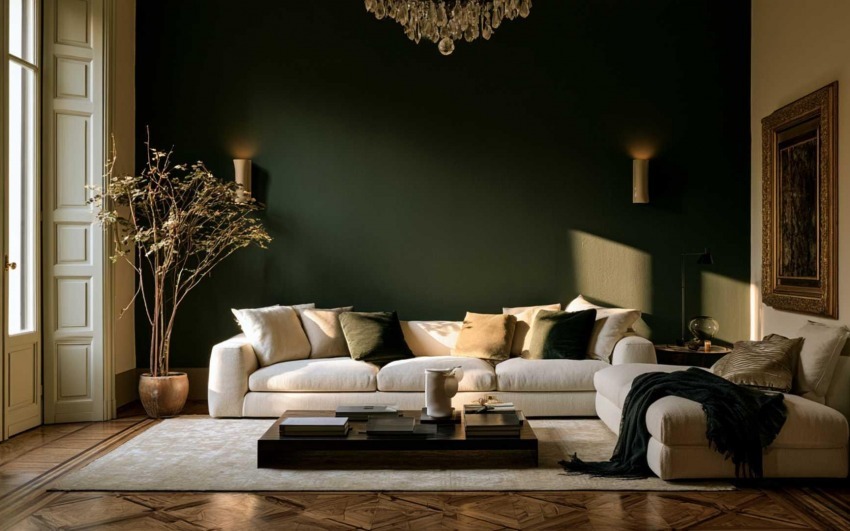
In recent years, the home has stopped being a simple functional container. It has become an extension of how we think, how we experience time, and how we relate to the world. Living today is a cultural act — a conscious choice that reflects values, priorities, and pace of life. It’s no longer just about aesthetics. It’s about position.
Homes have become more than places — they have become temporal landscapes. Design is shifting from objects to gestures, from furniture to the choreography of daily life.
Material innovation is reshaping interiors more deeply than any aesthetic trend. The new frontier is not in bold colors or complex textures — it lies in technical surfaces that are thin yet strong, discreet yet expressive, silent yet high-performing.