3/29/2024
Sophisticated Colors:
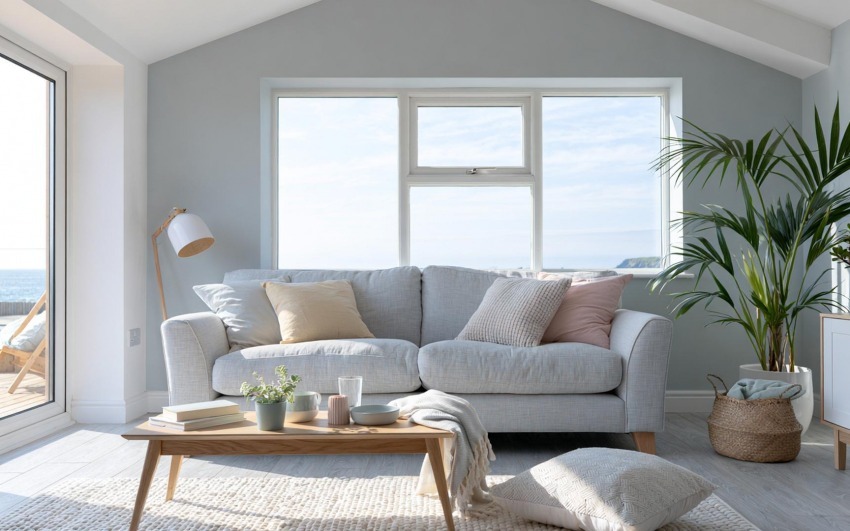
Choosing a refined color palette is the first step in ensuring elegant decor. Opt for pastel shades such as blush pink, powder blue, or sage green, paired with neutral tones like white, gray, and beige. These colors will give your home a light and fresh atmosphere without being overly ostentatious.
Modern Decorations:
Avoid overly thematic decorations and favor modern and minimalist decorative elements. Choose items that blend harmoniously with existing decor, such as designer vases, elegant lamps, or abstract paintings. Less is often more when it comes to classy furnishings.
Quality Tablecloths and Runners:
For the Easter table, opt for high-quality tablecloths and runners. Fabrics like linen or well-crafted cotton, in subtle and refined colors, will contribute to creating an elegant and welcoming atmosphere. Add details like gold cutlery or crystal glasses for a touch of luxury without excess.
Fresh Flowers and Minimalist Centerpieces:
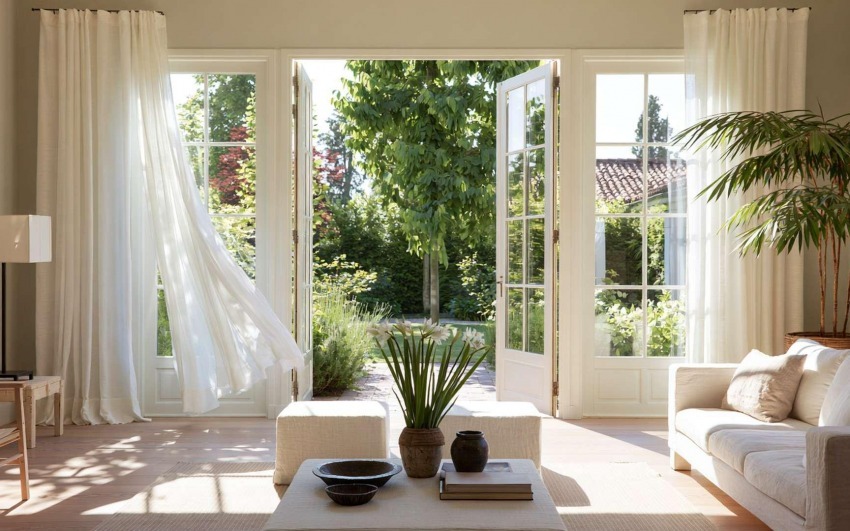
Nothing beats the beauty of fresh flowers to bring a home to life. Choose a minimalist centerpiece with seasonal flowers and green leaves, avoiding overly elaborate compositions. Transparent or neutral-toned vases will help maintain a sophisticated aesthetic.
Adequate Lighting:
Well-thought-out lighting can make a difference. Choose lamps with captivating designs and, if possible, play with different light sources to create an enveloping atmosphere. Scented candles and table lamps will add a touch of intimacy and warmth.
Key Furnishings:
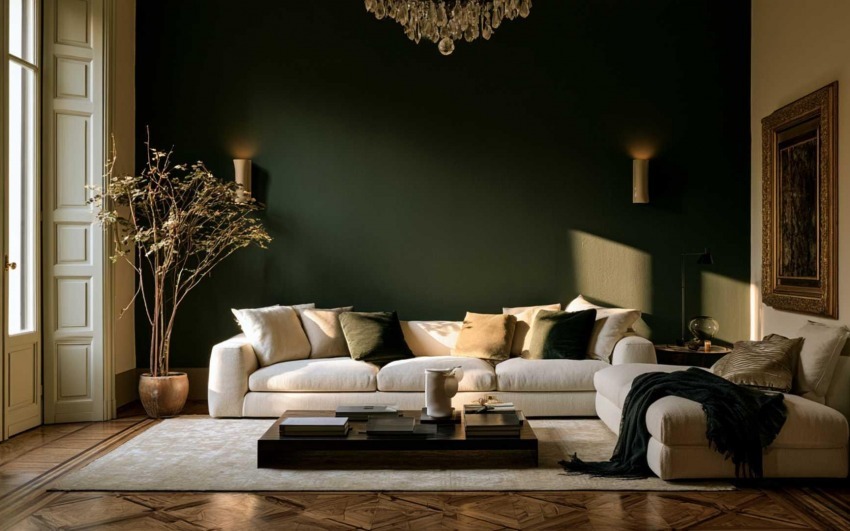
If you want to make some changes to the furnishings, focus on key pieces. A new set of cushions, an elegant throw, or a designer armchair can make a difference without completely overhauling the space.
Decorating your home for Easter with elegance requires careful attention to detail and a sensitivity to style. By opting for sophisticated colors, modern decorations, and touches of class in the details, you can transform your space into a welcoming and refined environment without falling into the trap of gaudiness. Experiment in moderation and let your home speak subtly and elegantly during this spring celebration.
_14077b47db_23.jpg)
Interior Designer since 1985
CEO & Founder, Italian Design in the World