12/15/2023
Sparkling Lighting:
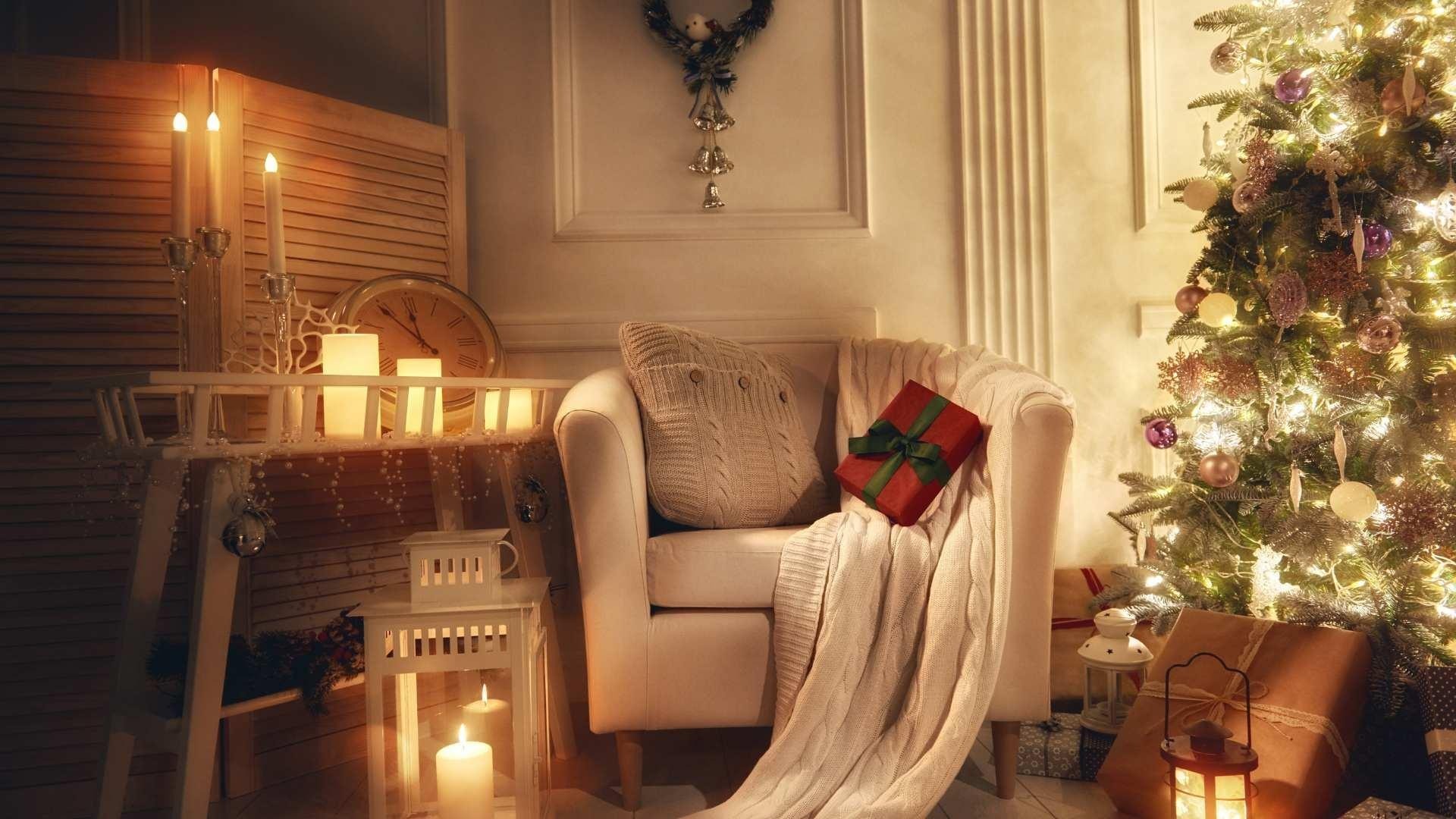
Nothing captures the essence of Christmas like sparkling lights. December's design trends focus on creative lighting, such as LED lights embedded in fairy lights, to create a warm and festive atmosphere. Experiment with star-shaped lamps or decorative candles to add a touch of magic to every room.


Natural Decorations:
Bring the beauty of nature into your home with decorations inspired by natural elements. Pine garlands, centerpiece with fir branches, and decorations made with organic materials are popular choices. This trend not only adds a touch of freshness but also reflects a commitment to a sustainable lifestyle.


Festive Color Palette:
The choice of a color palette plays a fundamental role in creating a Christmas atmosphere. This year, trends suggest a combination of classic shades like red and green, enriched with touches of gold and silver for an elegant touch. Experiment with pastel tones for a more modern look.


Themed Decorative Accessories:
Add a festive touch to your decorative accessories. Pillows adorned with holiday motifs, cozy blankets with festive prints, and rugs reminiscent of winter can transform every room into a welcoming retreat. Play with different textures for a creative approach to decoration.


Unique Christmas Trees:
The Christmas tree is the centerpiece of the holidays. Design trends for December suggest experimenting with unique Christmas trees, such as those made of wood or with personalized decorations. Opt for energy-saving LED lights and add ornaments that tell your story for a truly personal touch.


Relaxation Corners:
Create relaxation corners with a feeling of warmth and comfort. Fleece blankets, extra pillows, and soft lights can transform a simple sofa into a cozy retreat. This is the perfect invitation to gather with friends and family for precious moments during the holidays.


Themed Kitchen:
Bring the magic of the holidays into your kitchen. Use placemats, towels, and kitchen utensils with a holiday theme. Add details like decorated plates, festive glasses, and centerpieces that make every meal a festive experience.


Personalized Details:
Finally, design trends for December encourage personalized details. Add photographs of special memories, create personalized advent calendars, or place thoughtful gifts in various spaces around the house. These details make the atmosphere even more meaningful and personal.


As you embrace festive interior design trends for December, remember that the main goal is to create a space that reflects your joy and unique holiday spirit. Experiment with these ideas and transform your home into a lovely place that celebrates love, sharing, and the magic of the holidays.
Interior Designer since 1985
CEO & Founder, Italian Design in the World
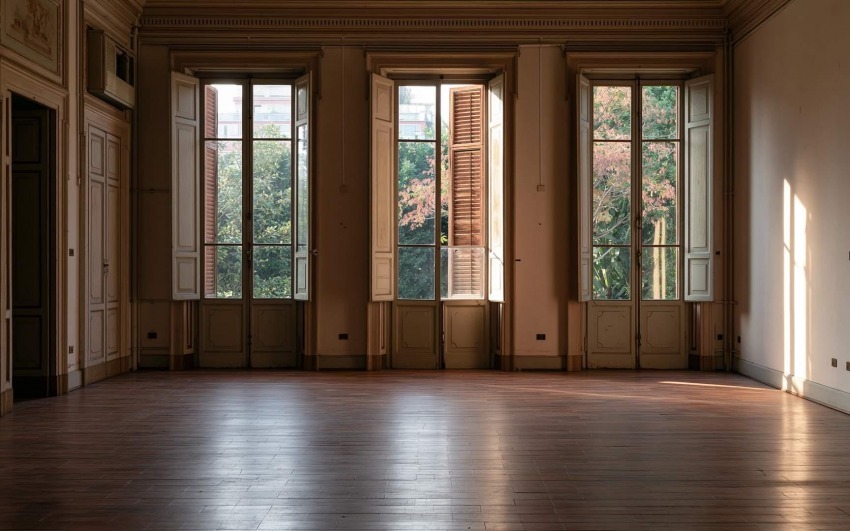
Open plan has dominated the image of the contemporary home: few walls, few boundaries, maximum flexibility. The promise was freedom — kitchen in dialogue with the living room, light flowing, no "closed" rooms. Over time many have discovered the downside: noise travelling, no refuge, difficulty concentrating or switching off. The response isn't to go back to the closed-off house of the past, but to rethink the value of dedicated spaces: environments with a clear function that the body and mind learn to recognise.
Interior design has long favoured sight: colours, shapes, surfaces. Only recently have we started to talk about touch and smell. Hearing, by contrast, remains the most neglected sense at the design stage — yet it's the one we can't switch off. We live in homes that boom, reverberate, carry voices and noise from one room to another. The result is stress, fatigue, difficulty concentrating and resting.
For decades interior design has chased the idea of a "perfect", unchanging space: same colours, same lights, same layout twelve months a year. The home as a photo set always ready, but often distant from the cycles that govern our body and our mood.Today a different idea is returning: the house as an organism that responds to the seasons. Not an aesthetic whim, but a response to the need to align the environments we live in with natural rhythms — light, temperature, colour, vegetation — with measurable benefits for sleep, concentration and wellbeing.March, with the equinox and the awakening of spring, is the ideal time to rethink interiors in a seasonal key.
For years, interior design has lived with a contradiction: an obsession with effect. Marble-effect. Wood-effect. Metal-effect. Stone-effect. A home that looks like something, rather than truly being something.
For years, we designed homes as if they had to pass a constant visual exam: perfect light, perfect white, the right chair, the right vase. Interiors built to be photographed more than lived in. Digital aesthetics — polished, minimal, hyper-ordered — entered interior design like an unspoken rule: if it isn’t “clean,” it isn’t beautiful; if it isn’t coherent, it isn’t successful; if it can’t be shown, it isn’t desirable.In 2026, this narrative is losing its power. Not because beauty matters less, but because beauty alone is no longer enough. A new need is emerging: anti-algorithm interiors, spaces not designed for the shot, but for everyday life. Less performative homes, more real ones. Environments that don’t seek approval — they restore energy.This is not a return to chaos. It’s a return to meaning.
For years, open-plan living symbolized contemporary domestic design: fluid, bright, without barriers. A response to the desire for freedom, openness, and visual continuity.Today, that promise is being reconsidered. In 2026, many projects mark a shift — not a rejection of open space, but its critical evolution. The return of thresholds.