7/07/2023
Create a Relaxing Environment with Colors
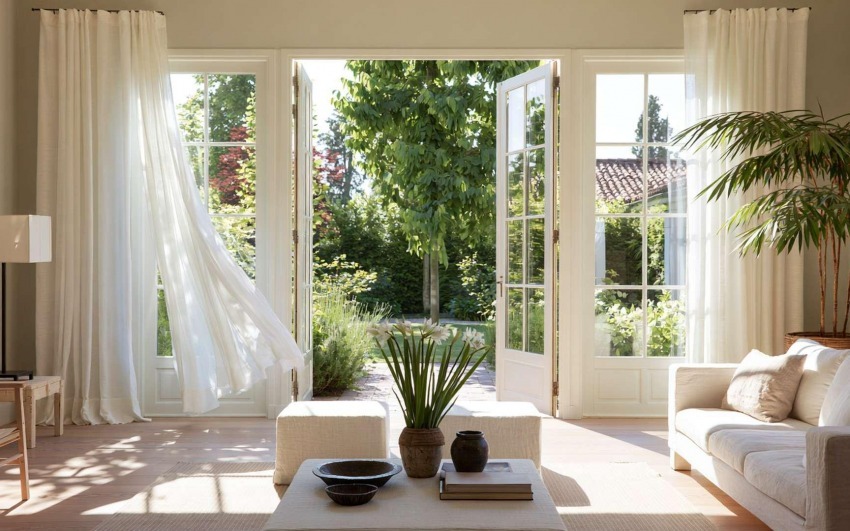
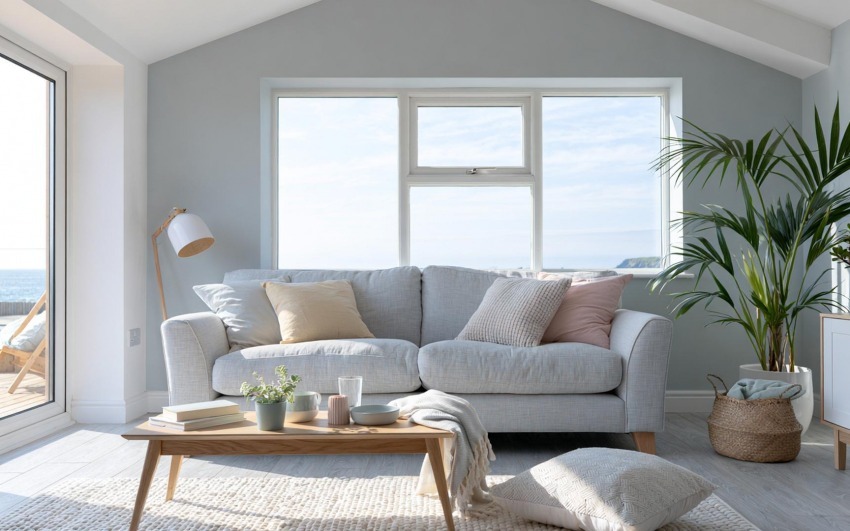
One of the most effective ways to transform your home into a cozy space is through the use of colors. Warm tones like beige, brown, and light gray can create a relaxing and inviting atmosphere. You can paint the walls with these shades or use them for furniture and accessories. Alternatively, if you love vibrant colors, you can opt for bright and lively shades to create an energetic and cheerful ambiance. Remember that wall color can significantly impact the mood and feel of a space, so choose carefully based on the effect you want to achieve.
_3fca96cdc7__(1)_0fa480ba30_.jpg)
Make it Comfortable with Soft Fabrics
Fabrics can work wonders in making your home cozy and comfortable. Add soft cushions and warm throws to sofas and armchairs to create a cozy and inviting atmosphere. Opt for soft materials like velvet, cotton, or wool for a touch of comfort. Additionally, place thick and plush rugs on the floor to add a sense of warmth and softness to your feet. Fabrics also add texture and depth to spaces, creating a richer and cozier environment.
_104a3b0d81_.jpg)
Lighting for an Intimate Atmosphere
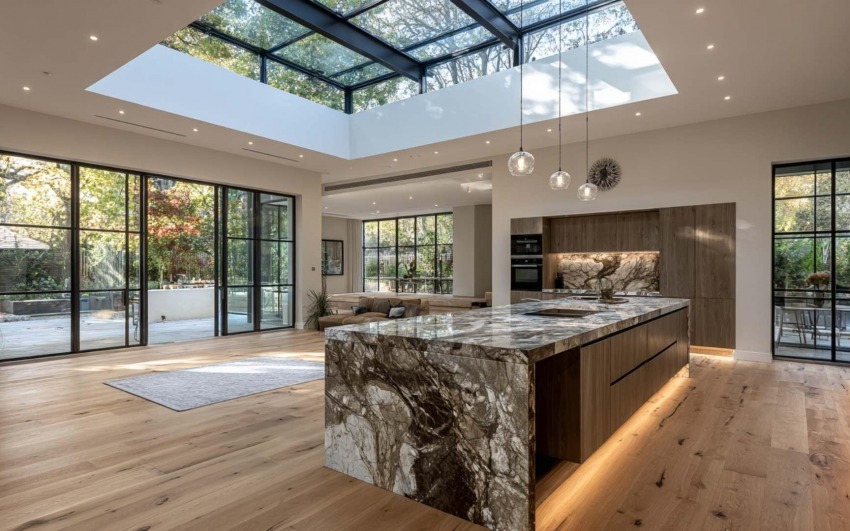
The right lighting can make a difference in the appearance and atmosphere of a home. Choose lamps and lights with warm and soft tones to create an intimate and relaxing ambiance. You can use table lamps with lampshades, recessed spotlights, or pendant lights to add focused lighting points and create a cozy environment. Also, use adjustable lights to adapt the atmosphere to different activities and moments of the day. Soft and warm lighting can completely transform the look of a space, making it more inviting and cozy.
_4c850f4676__(1)_5a355e740b_.jpg)
Personalize with Details and Decorations
To make your home cozy, it's essential to add personal details and decorations that reflect your personality and interests. Display photographs, artwork, or collectibles that are dear to you. Add plants and flowers to bring nature indoors and create a fresh and vibrant atmosphere. Use shelves or display units to showcase books and objects that define you. Details and decorations are what make your home unique and special, helping you create a cozy and personal environment.
_8749891688_.jpg)
Create Spaces for Relaxation and Socializing
Finally, to make your home cozy, make sure to create spaces dedicated to relaxation and socializing. Add a comfortable armchair near a window to create a quiet reading corner. Create a living room with a large sofa and a central coffee table to accommodate friends and family. Organize an area for meditation or yoga, with cushions and scented candles. A well-designed and organized environment encourages relaxation and socialization, making your home a welcoming and hospitable place.
_e0b46442eb_.jpg)
Transforming your home into a cozy space doesn't necessarily require a complete renovation or significant financial investment. With these creative ideas, you can create a welcoming and comfortable environment where you can feel at ease. Choose colors carefully, use soft fabrics, play with lighting, personalize with details and decorations, and create spaces for relaxation and socializing. Remember that the key to a cozy home is to reflect your personality and tastes, creating an environment that makes you feel at home. Now is the time to put these ideas into practice and transform your home into a cozy and enchanting space that you'll love coming back to every day.
_853f24ae5d__(1)_f6773bde61_.jpg)
_14077b47db_23.jpg)
Interior Designer since 1985
CEO & Founder, Italian Design in the World