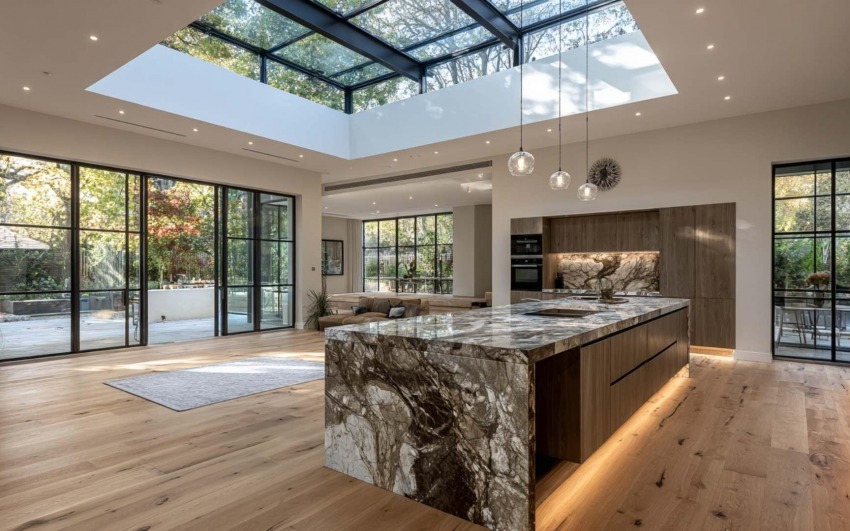
Winter Colors: Shades and Combinations for a Cozy Home

12/09/2023

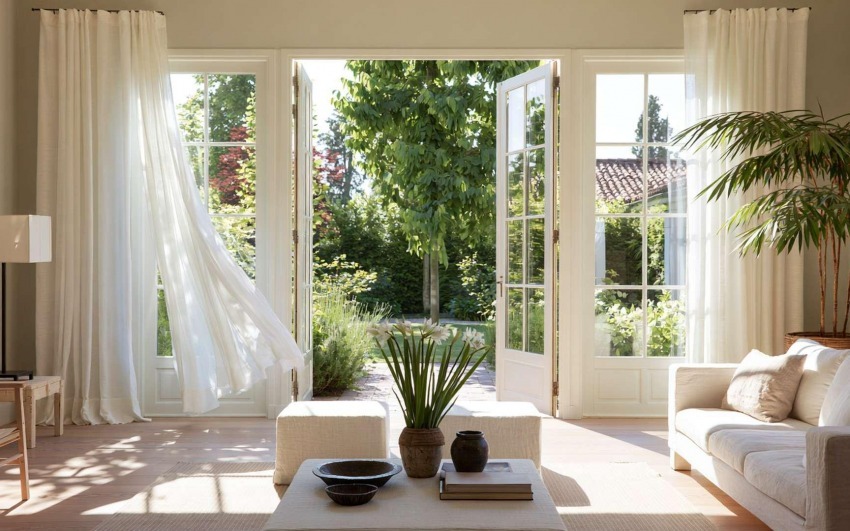
Snow White:

Start with a classic and timeless base: snow white. This bright and clean shade is perfect for creating a fresh and versatile backdrop. Use it on walls, furniture, and accessories to give your home a bright and airy look. Snow white pairs well with any other shade, allowing you to experiment with touches of color without compromising overall brightness.


colori_interior_natale-IDW-Italia-Biella

colori_interior_natale-IDW-Italia-Biella


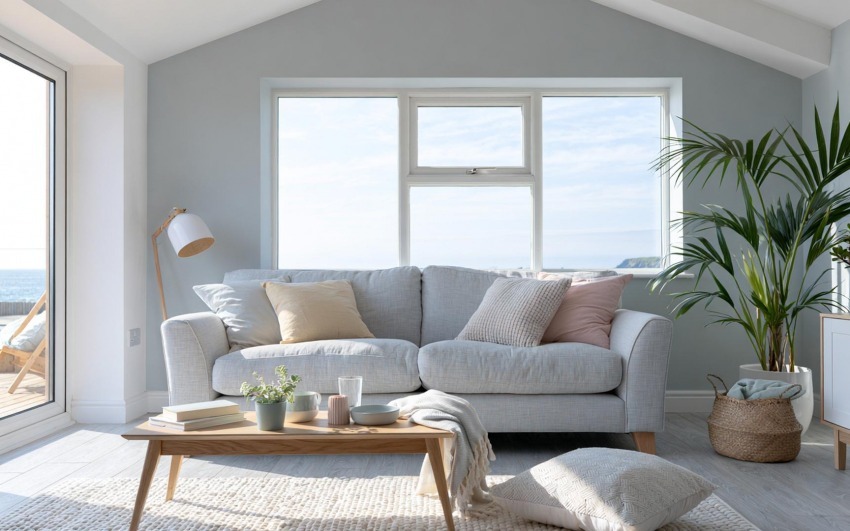
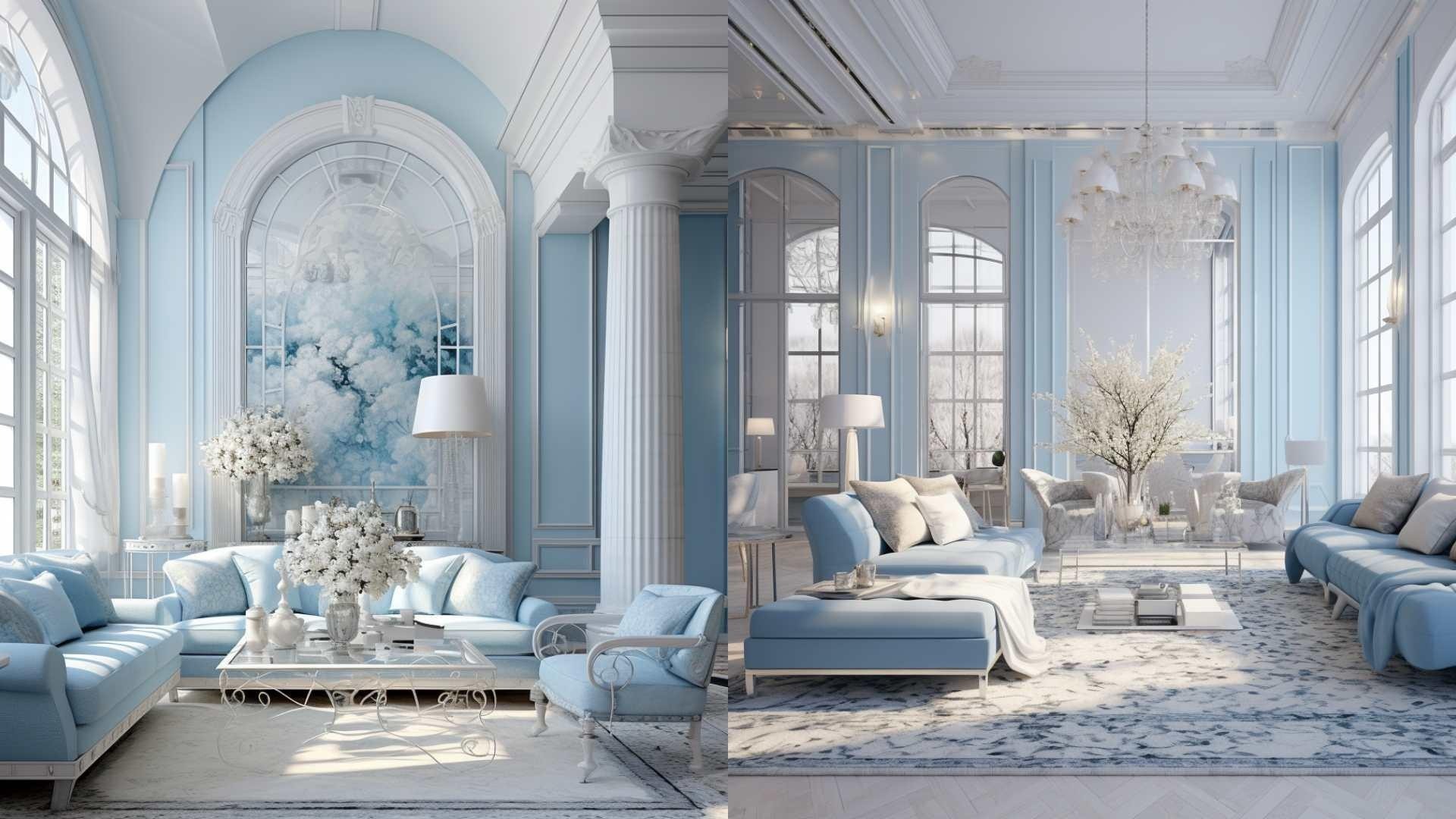
Ice Blue:

Ice blue is a refreshing and calming shade that evokes the winter atmosphere. Use it on walls or in fabrics like pillows and blankets to add a touch of freshness to your space. This shade pairs beautifully with snow white, creating an elegant and serene palette.

colori_interior_natale-IDW-Italia-Biella

colori_interior_natale-IDW-Italia-Biella

colori_interior_natale-IDW-Italia-Biella


Slate Gray:

Slate gray is a sophisticated choice that adds depth and warmth to your home. Use this neutral shade on furniture, rugs, or as the main color for walls. Slate gray pairs well with warmer tones such as burgundy or chocolate brown, creating a cozy and rich environment.


colori_interior_natale-IDW-Italia-Biella

colori_interior_natale-IDW-Italia-Biella

colori_interior_natale-IDW-Italia-Biella


Chocolate Brown:

Chocolate brown is a enveloping and welcoming shade that recalls the warmth of melted chocolate. Use it for furniture, curtains, or accessories to add an earthy note to your home. Chocolate brown pairs well with lighter shades such as beige or cream white, creating a balanced contrast.


colori_interior_natale-IDW-Italia-Biella

colori_interior_natale-IDW-Italia-Biella


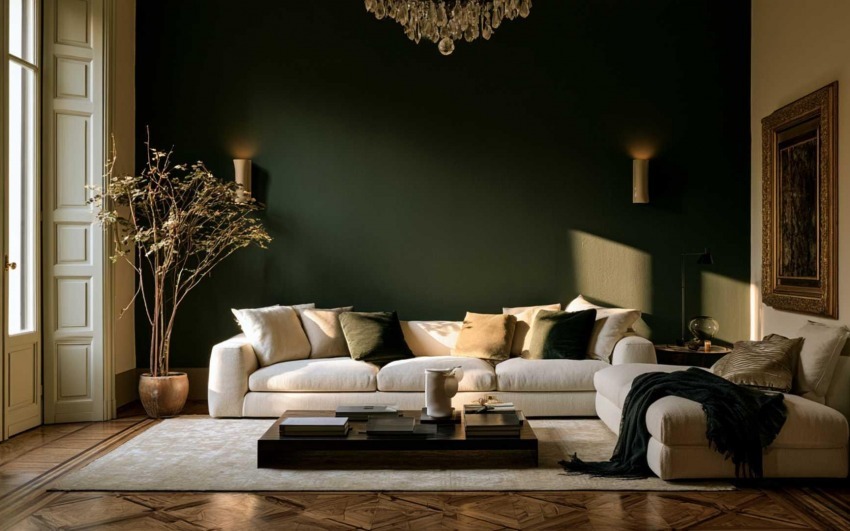
Pine Green:

Pine green is inspired by the beauty of Christmas trees and winter vegetation. Add this rich and refreshing shade to walls or decorations for a natural touch. Pine green pairs beautifully with red, creating a traditional and festive color combination.


colori_interior_natale-IDW-Italia-Biella

colori_interior_natale-IDW-Italia-Biella


Bordeaux Red:

Bordeaux red is an intense and enveloping shade that adds a touch of luxury to your space. Use it on focal walls, sofas, or accessories to create a warm and welcoming atmosphere. Bordeaux red pairs well with neutral tones like gray or snow white, highlighting its intensity.


colori_interior_natale-IDW-Italia-Biella

colori_interior_natale-IDW-Italia-Biella


Antique Gold:

Add a touch of elegance with antique gold. Use it on frames, lamps, or decorative details for a luxurious winter style. Antique gold pairs well with shades like dark blue or forest green, creating a sophisticated color palette.


colori_interior_natale-IDW-Italia-Biella

colori_interior_natale-IDW-Italia-Biella

colori_interior_natale-IDW-Italia-Biella

colori_interior_natale-IDW-Italia-Biella


Experiment with these winter shades and their combinations to create a cozy and charming space. Remember that the strategic use of color can radically transform the atmosphere of your home, making it a welcoming retreat during the winter season.

Cristiano Castaldi IDW Italia
Cristiano Castaldi

Interior Designer since 1985

CEO & Founder, Italian Design in the World
Related Articles

  • The Anti-Algorithm Home: Spaces That Aren’t Instagrammable (But Truly Livable)
    2/13/2026 The Anti-Algorithm Home: Spaces That Aren’t Instagrammable (But Truly Livable)

    For years, we designed homes as if they had to pass a constant visual exam: perfect light, perfect white, the right chair, the right vase. Interiors built to be photographed more than lived in.
Digital aesthetics — polished, minimal, hyper-ordered — entered interior design like an unspoken rule: if it isn’t “clean,” it isn’t beautiful; if it isn’t coherent, it isn’t successful; if it can’t be shown, it isn’t desirable.In 2026, this narrative is losing its power. Not because beauty matters less, but because beauty alone is no longer enough.
A new need is emerging: anti-algorithm interiors, spaces not designed for the shot, but for everyday life. Less performative homes, more real ones. Environments that don’t seek approval — they restore energy.This is not a return to chaos. It’s a return to meaning.

  • The End of the Open Space: The Return of Thresholds
    1/30/2026 The End of the Open Space: The Return of Thresholds

    For years, open-plan living symbolized contemporary domestic design: fluid, bright, without barriers.
A response to the desire for freedom, openness, and visual continuity.Today, that promise is being reconsidered.
In 2026, many projects mark a shift — not a rejection of open space, but its critical evolution. The return of thresholds.

  • Interiors That Age Well: Designing Spaces Beyond Trends
    1/23/2026 Interiors That Age Well: Designing Spaces Beyond Trends

    One of the most underestimated challenges in contemporary design is time.
Not the time required to design a space, but the time the space must endure: years of daily life, change, wear, and transformation.

  • Living as a Cultural Act: When the Home Becomes a Position
    1/09/2026 Living as a Cultural Act: When the Home Becomes a Position

    In recent years, the home has stopped being a simple functional container.
It has become an extension of how we think, how we experience time, and how we relate to the world. Living today is a cultural act — a conscious choice that reflects values, priorities, and pace of life. It’s no longer just about aesthetics. It’s about position.

  • The Aesthetics of Ritual: How Design Shapes Everyday Habits
    1/02/2026 The Aesthetics of Ritual: How Design Shapes Everyday Habits

    Homes have become more than places — they have become temporal landscapes.
Design is shifting from objects to gestures, from furniture to the choreography of daily life.

  • The Material of the Future: Ultra-Thin Surfaces and Advanced Finishes
    12/19/2025 The Material of the Future: Ultra-Thin Surfaces and Advanced Finishes

    Material innovation is reshaping interiors more deeply than any aesthetic trend.
The new frontier is not in bold colors or complex textures — it lies in technical surfaces that are thin yet strong, discreet yet expressive, silent yet high-performing.