5/10/2024
Multifunctional Furniture: Investing in multifunctional furniture is a great way to optimize space and save money. For example, a sofa bed can serve as both a relaxing area during the day and a bed for guests at night.

Secondhand Furniture: Explore the secondhand furniture market to find unique and quality pieces at affordable prices. With some research and patience, you can discover true treasures that fit your style and budget.

DIY Projects: Put your creativity to the test with DIY home projects. Painting old furniture, creating wall decorations, or making accessories with recycled materials are just a few of the endless possibilities to add a personal touch to your home without spending too much.


Smart Shopping: Take advantage of sales and discounts to purchase furniture and decorations at discounted prices. Additionally, compare prices online and offline to ensure you're getting the best deal possible.
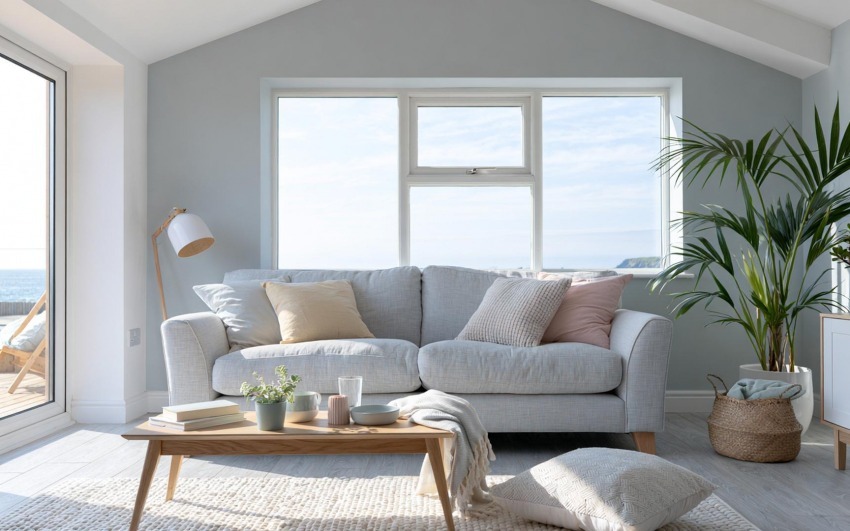
Accessorize with Style: Accessories can make a difference in the look of a room. Invest in colorful cushions, soft throws, cozy rugs, and unique lamps to add personality and style to your home without breaking the budget.


Furnishing a home on a limited budget doesn't mean sacrificing style or quality. With a bit of creativity and research, you can create a cozy and inviting environment without spending a fortune. We hope these ideas have inspired you to transform your home into a space that reflects your style and personality, regardless of the budget available.
Interior Designer since 1985
CEO & Founder, Italian Design in the World
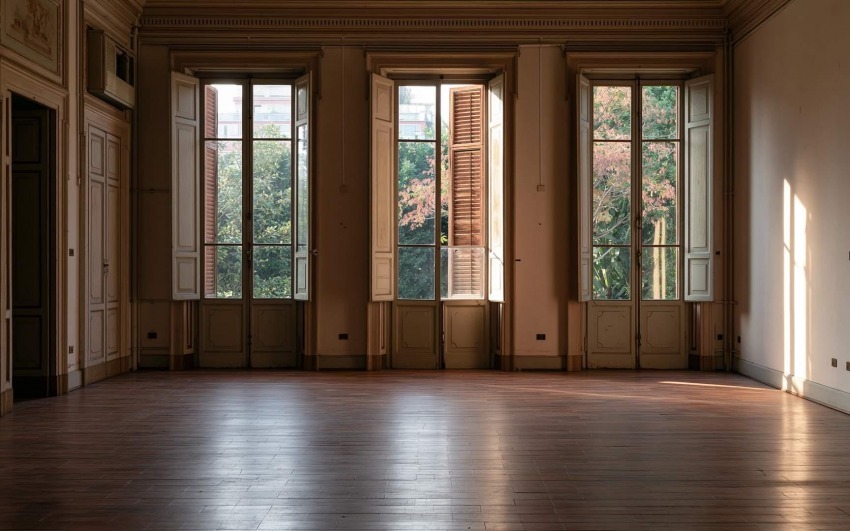
For years, open-plan living symbolized contemporary domestic design: fluid, bright, without barriers. A response to the desire for freedom, openness, and visual continuity.Today, that promise is being reconsidered. In 2026, many projects mark a shift — not a rejection of open space, but its critical evolution. The return of thresholds.
One of the most underestimated challenges in contemporary design is time. Not the time required to design a space, but the time the space must endure: years of daily life, change, wear, and transformation.
In recent years, the home has stopped being a simple functional container. It has become an extension of how we think, how we experience time, and how we relate to the world. Living today is a cultural act — a conscious choice that reflects values, priorities, and pace of life. It’s no longer just about aesthetics. It’s about position.
Homes have become more than places — they have become temporal landscapes. Design is shifting from objects to gestures, from furniture to the choreography of daily life.
Material innovation is reshaping interiors more deeply than any aesthetic trend. The new frontier is not in bold colors or complex textures — it lies in technical surfaces that are thin yet strong, discreet yet expressive, silent yet high-performing.
For years, interior design celebrated straight lines and sharp rationality. But as homes became more intimate and introspective, a new aesthetic began to emerge — one rooted in softness, continuity, and emotional comfort. 2025 marks the consolidation of this evolution: curves, arches, and generous volumes define the new vocabulary of contemporary interiors.